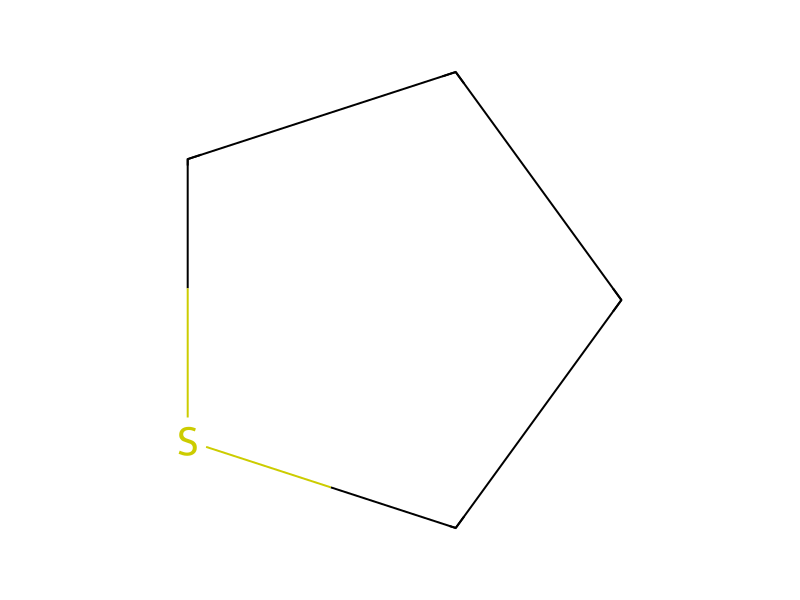
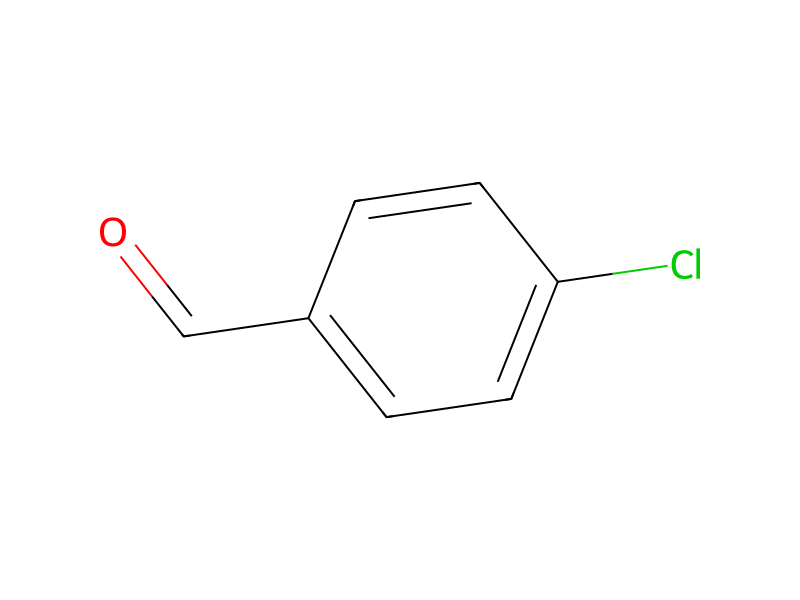
Tetrahydrothiophene → 4-Chlorostilbene oxide
Reaction equation

S1CCCC1.[Cl:6][C:7]1[CH:14]=[CH:13][C:10]([CH:11]=[O:12])=[CH:9][CH:8]=1.[C:15]1([CH:21]=[N+]=[N-])[CH:20]=[CH:19][CH:18]=[CH:17][CH:16]=1>ClCCl.C([O-])(=O)C.[Rh+2].C([O-])(=O)C>[Cl:6][C:7]1[CH:14]=[CH:13][C:10]([CH:11]2[CH:21]([C:15]3[CH:20]=[CH:19][CH:18]=[CH:17][CH:16]=3)[O:12]2)=[CH:9][CH:8]=1Participants
6



Procedure
To a stirred solution of tetrahydrothiophene (0.1 mmol), rhodium (II) acetate (0.01 mmol) and p-chlorobenzaldehyde (1 mmol) in dichloromethane (4 ml) was added a solution of phenyldiazomethane (1 mmol in 6 ml of tert-butylmethyl ether) at room temperature over a period of 24 hours. After addition was completed the solvent was removed in vacuo and the residue was chromatographed over silica to provide the title oxirane in 26% yield.
Workup
- additionAfter addition
- customwas removed in vacuo
- customthe residue was chromatographed over silica
Sources & evidence
- ORD record
- ord-1f3ebbc9033a4611a30c77e817c00809
- Source dataset
- uspto-grants-1997_12
- Patent number
- US05703246
Reaction notes
Loading…