3-Nitrophenylboronic Acid → HCID 66936363, compound
Reaction equation

Br[C:2]1[CH:11]=[N:10][C:5]2[O:6][CH2:7][CH2:8][NH:9][C:4]=2[CH:3]=1.[N+:12]([C:15]1[CH:16]=[C:17](B(O)O)[CH:18]=[CH:19][CH:20]=1)([O-:14])=[O:13].C(=O)([O-])[O-].[K+].[K+]>O1CCCC1.O.C1(P(C2C=CC=CC=2)C2C=CC=CC=2)C=CC=CC=1.[Pd]>[N+:12]([C:15]1[CH:20]=[C:19]([C:2]2[CH:11]=[N:10][C:5]3[O:6][CH2:7][CH2:8][NH:9][C:4]=3[CH:3]=2)[CH:18]=[CH:17][CH:16]=1)([O-:14])=[O:13]Participants
6
Reactant 3



Product 1

Reagents, catalysts & solvents 2

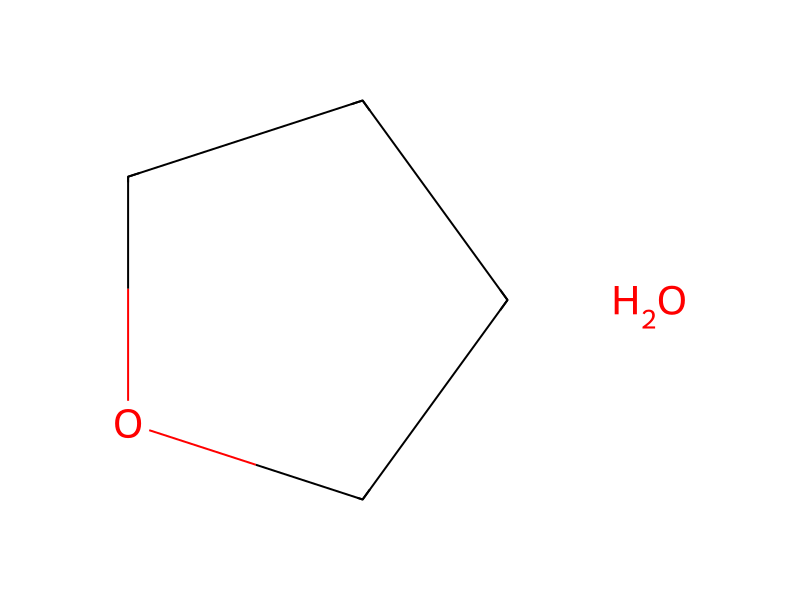
Procedure
By the same method as in the step b) of Example 45, 7-bromo-2,3-dihydro-1H-pyrido[2,3-b][1,4]oxazine (99 mg, 0.46 mmol), 3-nitrophenyl boronic acid (115 mg, 0.69 mmol), palladium triphenylphosphine (26 mg, 0.023 mol) and potassium carbonate (127 mg, 0.92 mmol) were dissolved in tetrahydrofuran/water (2.4 ml/0.4 ml) and then stirred at 80□ for 6 hours to obtain 7-(3-nitro-phenyl)-2,3-dihydro-1H-pyrido[2,3-b][1,4]oxazine as white solid (90.4 mg, 76%).
Sources & evidence
- ORD record
- ord-9f43bff706ba4b1f8babfd041e328c82
- Source dataset
- uspto-grants-2013_03
- Patent number
- US08394792B2
Reaction notes
Loading…