Imidazole → HCID 67089020, compound
Reaction equation

[NH:1]1[CH:5]=[CH:4][N:3]=[CH:2]1.C(=O)([O-])[O-:7].[K+].[K+].[NH:12]1CCC[C@H:13]1C(O)=O.BrC1[C:29]2[N:28]=[C:27]([N+:30]([O-])=O)[CH:26]=[CH:25][C:24]=2[NH:23]N=1.[OH2:33]>CS(C)=O.C(O)(C)C.C(Cl)Cl>[N:1]1([C:13]2[C:29]3[C:24](=[N:25][CH:26]=[C:27]([N+:30]([O-:7])=[O:33])[CH:28]=3)[NH:23][N:12]=2)[CH:5]=[CH:4][N:3]=[CH:2]1Participants
9
Reactant 5




Product 1

Reagents, catalysts & solvents 3



Conditions
- Temperature
- 110 °C
Procedure
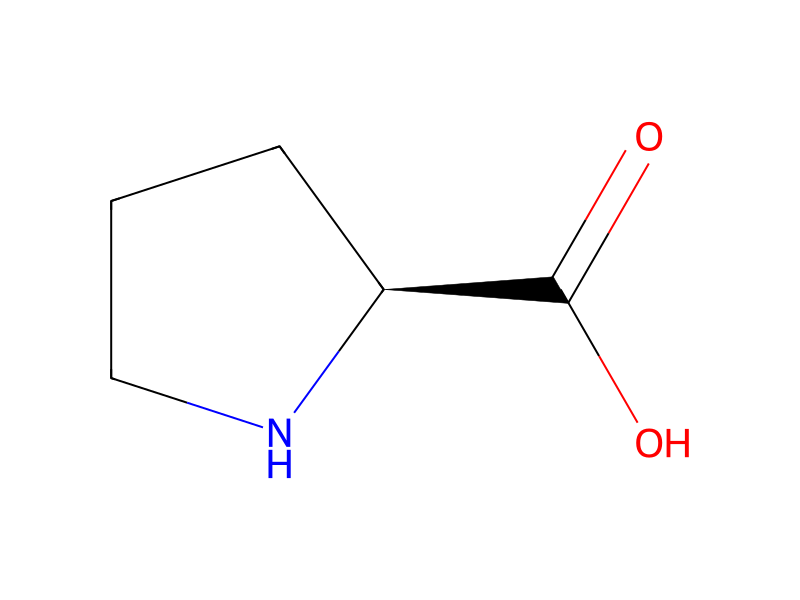
Imidazole (280 mg, 4.1 mmol), potassium carbonate (1.40 g, 10 mmol), L-proline (95 mg, 0.82 mmol), and cuprous iodide (78 mg, 0.41 mmol) were added to 3-bromo-5-nitro-pyrazolopyridine (500 mg, 2.1 mmol) in DMSO (5 mL). The resulting mixture was heated in a sealed vial at 110° C. overnight. The reaction mixture was diluted with water and 10% isopropyl alcohol (“IPA”)/DCM. The resulting slurry was filtered through celite, and the layers were separated. The aqueous layer was extracted with another portion of 10% IPA/DCM. The combined organic layers were washed twice with brine, dried over magnesium sulfate, filtered, and evaporated to yield 3-(1H-imidazol-1-yl)-5-nitro-1H-pyrazolo[3,4-b]pyridine (220 mg, 46% yield) as a solid.
Workup
- filtrationThe resulting slurry was filtered through celite
- customthe layers were separated
- extractionThe aqueous layer was extracted with another portion of 10% IPA/DCM
- washThe combined organic layers were washed twice with brine
- dry with materialdried over magnesium sulfate
- filtrationfiltered
- customevaporated
Sources & evidence
- ORD record
- ord-cfa48b1f17e845dfb427b801578a75a5
- Source dataset
- uspto-grants-2013_03
- Patent number
- US08394795B2
Reaction notes
Loading…