Hydrochloric Acid → HCID 178513746, compound
Reaction equation

[CH2:1]([C:5]([NH2:7])=[O:6])[C:2]([NH2:4])=[O:3].C[O-].[Na+].[CH3:11][N:12](C=NC=[N+](C)C)[CH3:13].[Cl-].CNC.Cl>O1CCCC1>[OH:3][C:2]1[C:1]([C:5]([NH2:7])=[O:6])=[CH:13][N:12]=[CH:11][N:4]=1Participants
Reactant 5




Product 1

Reagents, catalysts & solvents 1

Procedure
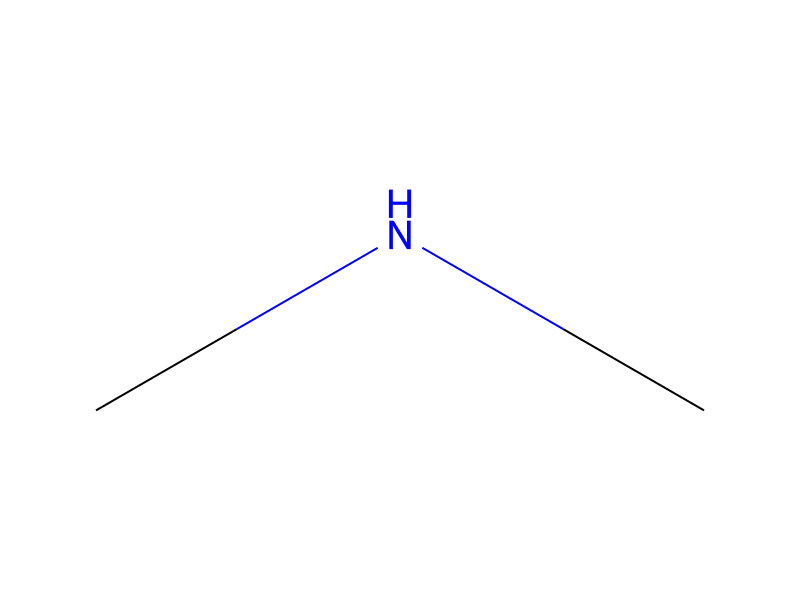
At room temperature, malonodiamide (10.75 g, 0.10 mol) was added to a sodium methoxide solution (55.88 g, 0.30 mol., 29% in methanol.), and the mixture was diluted with tetrahydrofuran. At room temperature, the Gold's reagent prepared as in Example 1 (18.0 g, 0.11 mol) was added, and argon was passed through for 24 hours in order to drive off the dimethylamine liberated. The pH was then adjusted to 7.4 using an aqueous hydrochloric acid solution, and most of the tetrahydrofuran was removed on a rotary evaporator. The resulting suspension was adjusted to pH=5.5 using eq. HCl and heated to reflux temperature. Water was then added again in order to bring everything into solution, then activated carbon was added and the mixture was stirred under reflux for a further 15 min. After slow cooling to room temperature, pale yellow crystals precipitated out, which, after filtration, were dried under reduced pressure at 40° C. to give the title product in a yield of 5.58 g (80%)
Workup
- customAt room temperature
- additionwas added
- customwas passed through for 24 hours in order
- custommost of the tetrahydrofuran was removed on a rotary evaporator
- temperatureheated
- temperatureto reflux temperature
- additionWater was then added again in order
- additionactivated carbon was added
- temperatureunder reflux for a further 15 min
- custompale yellow crystals precipitated out
- filtrationwhich, after filtration
- customwere dried under reduced pressure at 40° C.
Sources & evidence
- ORD record
- ord-9c81be114052491b8e367f7915237a64
- Source dataset
- uspto-grants-2000_09
- Patent number
- US06114527
Reaction notes
Loading…