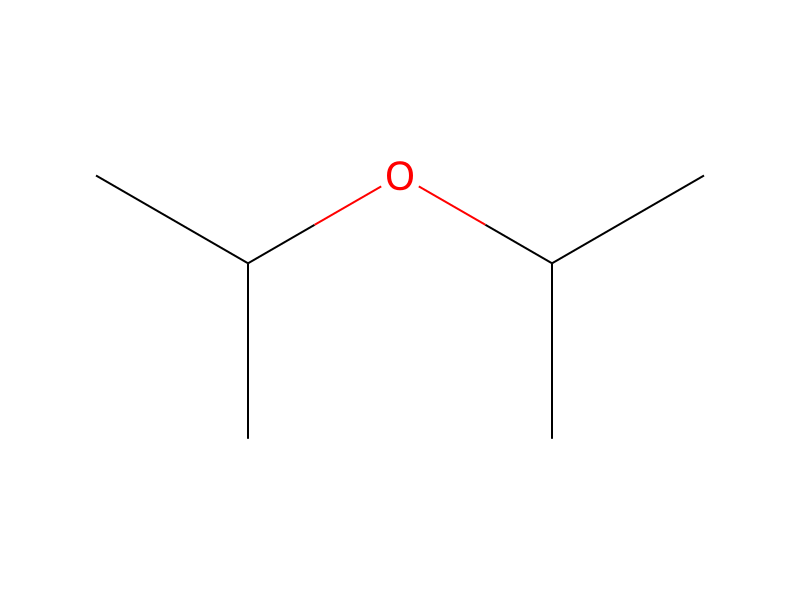
Diisopropyl Ether → HCID 9884753, compound
Reaction equation

C[CH:2]([C:13]([CH:15]([C:17]1[CH:22]=[CH:21][C:20]([O:23][CH3:24])=[C:19]([O:25][CH3:26])[CH:18]=1)C)=O)C1C=CC(OC)=C(OC)C=1.[NH2:27][CH2:28][C@@H:29]([C:31]1[CH:36]=[CH:35][CH:34]=[C:33]([Cl:37])[CH:32]=1)[OH:30].C(OC(C)C)(C)C>[Pt]=O.C(O)(C)C>[Cl:37][C:33]1[CH:32]=[C:31]([C@@H:29]([OH:30])[CH2:28][NH:27][C@H:13]([CH3:2])[CH2:15][C:17]2[CH:22]=[CH:21][C:20]([O:23][CH3:24])=[C:19]([O:25][CH3:26])[CH:18]=2)[CH:36]=[CH:35][CH:34]=1Participants
6




Procedure
To a mixture of 5.83 g of methyl-3,4-dimethoxyphenylmethyl ketone, 5.15 g of (R)-2-amino-1-(3-chlorophenyl)ethanol and 50 mg of platinum oxide were added 15 ml of isopropyl alcohol and 30 ml of diisopropyl ether, and the reducing reaction was carried out at room temperature, at 1 atm under hydrogen atmosphere for 24 hours. After removing off platinum oxide by filtration, the solvent was distilled off under reduced pressure to give 6.51 g of white oil of (R,R)-1-(3-chlorophenyl)-2-[[2-(3,4-dimethoxyphenyl)-1-methylethyl]amino]ethanol (yield 62%). The optical purity of the (R,R)-isomer was 65%.
Workup
- customthe reducing reaction
- customAfter removing off platinum oxide
- filtrationby filtration
- distillationthe solvent was distilled off under reduced pressure
Sources & evidence
- ORD record
- ord-438f062a99754dccb05e4e7e0c58a177
- Source dataset
- uspto-grants-2000_09
- Patent number
- US06114582
Reaction notes
Loading…