Sodium Hydroxide → Ethylene Oxide
Reaction equation

[H-].[Na+].[OH-:3].[Na+].[CH2:5]([NH2:23])[CH2:6][CH2:7][CH2:8][CH2:9][CH2:10][CH2:11][CH2:12][CH2:13][CH2:14][CH2:15][CH2:16]CCCC[CH2:21][CH3:22]>>[CH2:5]([NH2:23])[CH2:6][CH2:7][CH2:8][CH2:9][CH2:10][CH2:11][CH2:12][CH2:13][CH2:14][CH2:15][CH3:16].[CH2:21]1[O:3][CH2:22]1Participants



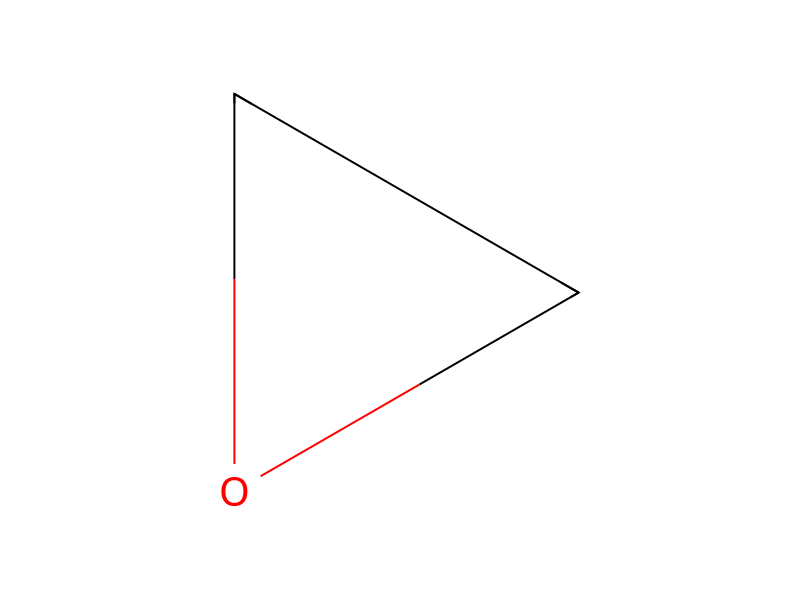

Conditions
- Temperature
- 160 °C
Procedure
Into a 1-liter autoclave were introduced 300 g of the stearylamine obtained (total amine value: 210.2), an aqueous sodium hydride solution, and a 12% solution of a 50% aqueous sodium hydroxide solution. The amount of the aqueous sodium hydride solution introduced was 0.1 mol% based on the amine. After bubbling with nitrogen gas, the contents were heated to 160° C., and 205 g of ethylene oxide was forced into the autoclave at a rate of 10 g/min at the constant temperature. The amine/ethylene oxide molar ratio was 1/4.15. After completion of the feeding, the mixture was aged for 30 minutes. The obtained substance was discharged from the reactor and then purified by distillation to obtain the target ethylene oxide adduct of laurylamine (the number of moles of added ethylene oxide: 4.15).
Workup
- customAfter bubbling with nitrogen gas
- distillationpurified by distillation
Sources & evidence
- ORD record
- ord-1c485c5a59c742d0a9e34cd2929345b1
- Source dataset
- uspto-grants-2000_09
- Patent number
- US06117948
Reaction notes
Loading…