Hydrochloric Acid → (+/-)-3-(Benzyloxy)methyl-1,6hexanediol
Reaction equation

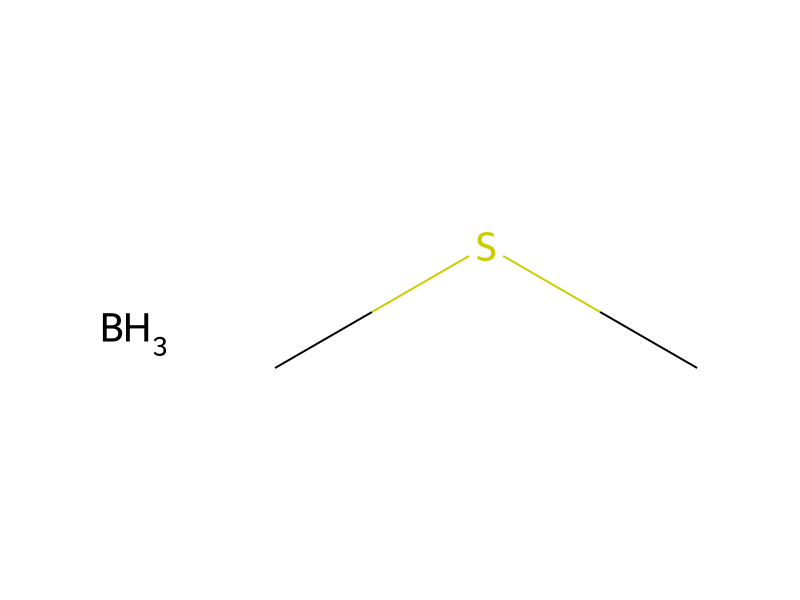
[O:1]=[O+][O-].[CH2:4]([O:11][CH:12]=[C:13]1[CH2:18][CH2:17]C[CH:15]=[CH:14]1)[C:5]1[CH:10]=[CH:9][CH:8]=[CH:7][CH:6]=1.CSC.B.Cl.[C:24]([O-:27])(O)=O.[Na+]>ClCl>[CH2:4]([O:11][CH2:12][CH:13]([CH2:18][CH2:17][CH2:24][OH:27])[CH2:14][CH2:15][OH:1])[C:5]1[CH:10]=[CH:9][CH:8]=[CH:7][CH:6]=1Participants
Reactant 5




Product 1

Reagents, catalysts & solvents 1

Procedure
Ozone was bubbled through a solution of (±)-3-benzyloxymethylene-1-cyclohexene (1.35 g, 6.70 mmol) in CH2 Cl2 (65 mL) at -78° C. until the blue color of unreacted ozone persisted. The reaction mixture was allowed to warm to room temperature, while dry nitrogen was bubbled through the reaction. Borane-dimethyl sulfide complex (10.0M in THF, 2.7 mL, 27.8 mmol) was added via syringe over several minutes, and the reaction mixture was allowed to stand at room temperature for 24 hours. The reaction mixture was treated with 5 percent aqueous HCl (1 mL) and stirred vigorously for one hour. Solid NaHCO3 was added until the mixture tested basic to litmus paper. The mixture was dried over anhydrous MgSO4. The reaction mixture was filtered and concentrated to afford the crude (±)-3-(benzyloxy)methyl-1,6 hexanediol (1.49 g, ca. 100 percent) as an oil. This material, which showed essentially a single spot on TLC analysis, Rf=0.25, 25 percent EtOAc in hexane, was used directly in the next step without further purification.
Workup
- customwas bubbled through the reaction
- dry with materialThe mixture was dried over anhydrous MgSO4
- filtrationThe reaction mixture was filtered
- concentrationconcentrated
Sources & evidence
- ORD record
- ord-2c5149a533ee463691a6190c7aa198ae
- Source dataset
- uspto-grants-1998_07
- Patent number
- US05780461
Reaction notes
Loading…