Hydrochloric Acid → 5-amino-1-(5-cyclopropylcarbamoyl-2-methylphenyl)-1H-pyrazole-4-carboxylic acid
Reaction equation

[NH2:1][C:2]1[N:6]([C:7]2[CH:8]=[C:9]([CH:16]=[CH:17][C:18]=2[CH3:19])[C:10]([NH:12][CH:13]2[CH2:15][CH2:14]2)=[O:11])[N:5]=[CH:4][C:3]=1[C:20](=[O:29])C1C=CC=CC=1OC.[Li+].[OH-:31].Cl>O.C(O)C>[NH2:1][C:2]1[N:6]([C:7]2[CH:8]=[C:9]([C:10](=[O:11])[NH:12][CH:13]3[CH2:14][CH2:15]3)[CH:16]=[CH:17][C:18]=2[CH3:19])[N:5]=[CH:4][C:3]=1[C:20]([OH:29])=[O:31]Participants
5
Reactant 3



Product 1

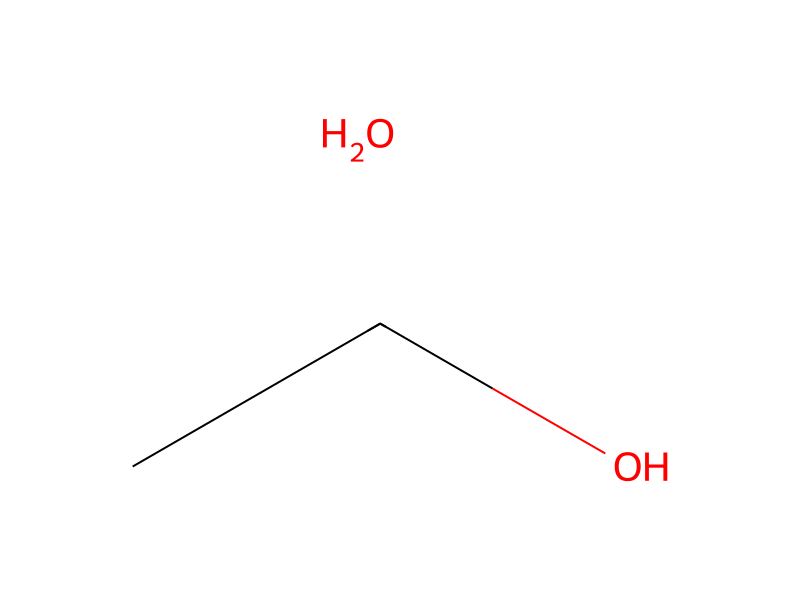
Reagents, catalysts & solvents 1
Procedure
A solution of 5-amino-1-(5-cyclopropylcarbamoyl-2-methyl-phenyl)-1H-pyrazole-4-carboxylic acid ethyl ester (1.0 g, see Example 44), LiOH (1.2 g) in water/ethanol (15 ml/20 ml) was heated at 50° C. overnight. The solution was neutralized with dilute HCl (2M), and extracted with ethyl acetate (200 ml×2), dried over Na2SO4. The solvent was evaporated under reduced pressure and ethyl acetate and diethyl ether was added. The resulting solid was filtered to give the desired 5-amino-1-(5-cyclopropylcarbamoyl-2-methylphenyl)-1H-pyrazole-4-carboxylic acid. (0.8 g; yield: 88%.).
Workup
- extractionextracted with ethyl acetate (200 ml×2)
- dry with materialdried over Na2SO4
- customThe solvent was evaporated under reduced pressure and ethyl acetate and diethyl ether
- additionwas added
- filtrationThe resulting solid was filtered
Sources & evidence
- ORD record
- ord-3fc3583dbac9450387ed82a75e7f03c7
- Source dataset
- uspto-grants-2013_04
- Patent number
- US08410160B2
Reaction notes
Loading…