Oxygen → 4-tert-Butylbenzaldehyde
Reaction equation

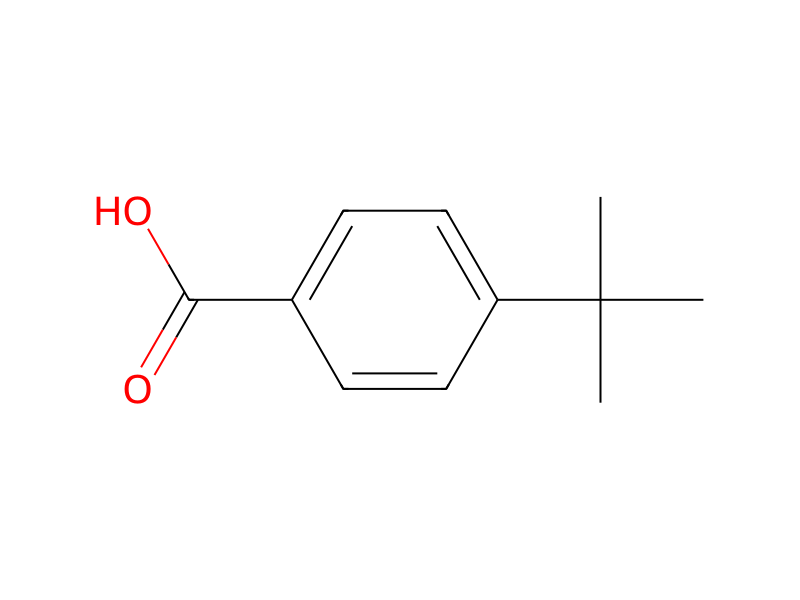
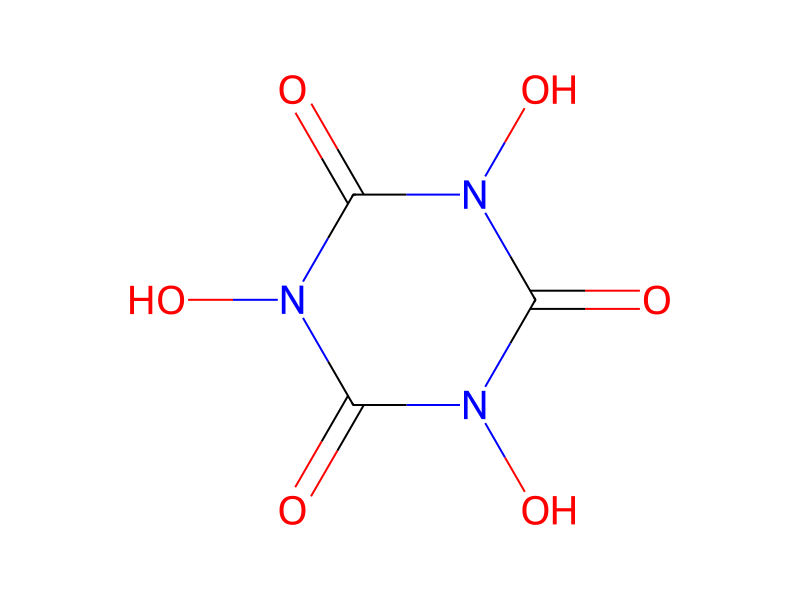
C(C1C=CC(C)=CC=1)(C)(C)C.ON1C(=O)N(O)C(=O)N(O)C1=O.O=O.[C:26]([C:30]1[CH:38]=[CH:37][C:33]([C:34](O)=[O:35])=[CH:32][CH:31]=1)([CH3:29])([CH3:28])[CH3:27]>C(O)(=O)C>[C:26]([C:30]1[CH:31]=[CH:32][C:33]([CH:34]=[O:35])=[CH:37][CH:38]=1)([CH3:29])([CH3:27])[CH3:28]Participants
Reactant 4


Product 1

Reagents, catalysts & solvents 1

Procedure
In 3 mL of acetic acid was dissolved 315 mg of p-t-butyltoluene to give a solution, and the solution was combined with 156 mg of the catalyst C and 42 mg of hexahydro-1,3,5-trihydroxy-1,3,5-triazine-2,4,6-trione (hereinafter also referred to as “THICA”), followed by stirring at 100° C. in an oxygen atmosphere for 6 hours. The reaction mixture was analyzed through gas chromatography to find that p-t-butylbenzoic acid and p-t-butylbenzaldehyde were produced in yields of 84.5% and 1.4%, respectively, with a conversion from p-t-butyltoluene of 99.7%. The catalyst C was separated from the reaction mixture through filtration, washed with ethyl acetate two times, dried at room temperature (25° C.) under reduced pressure, and thereby recovered as a catalyst C1.
Workup
- customto give a solution
Sources & evidence
- ORD record
- ord-48c3cc297a274581904be5fd07951a7d
- Source dataset
- uspto-grants-2013_04
- Patent number
- US08410308B2
Reaction notes
Loading…