Dibenzylamine → HCID 57516721, compound
Reaction equation

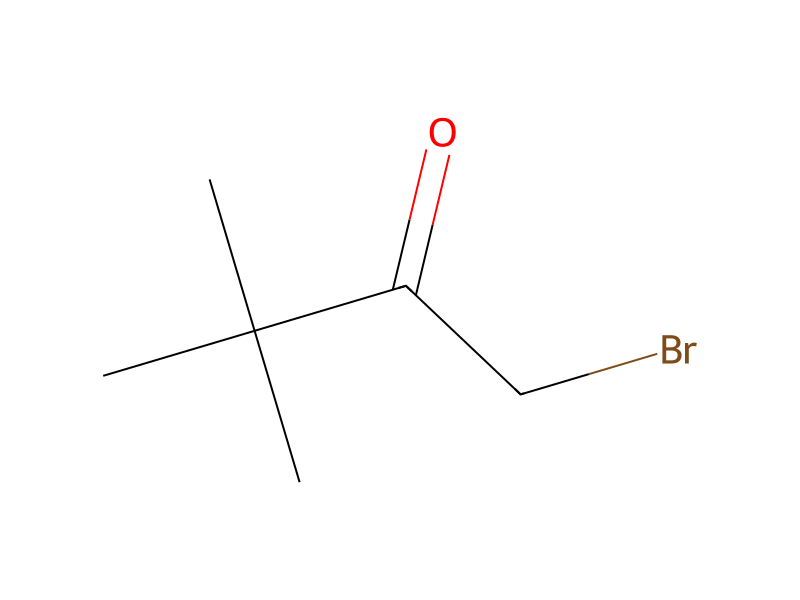
[CH2:1]([NH:8][CH2:9][C:10]1[CH:15]=[CH:14][CH:13]=[CH:12][CH:11]=1)[C:2]1[CH:7]=[CH:6][CH:5]=[CH:4][CH:3]=1.C(=O)([O-])[O-].[K+].[K+].Br[CH2:23][C:24](=[O:29])[C:25]([CH3:28])([CH3:27])[CH3:26]>C(#N)C>[CH2:9]([N:8]([CH2:1][C:2]1[CH:7]=[CH:6][CH:5]=[CH:4][CH:3]=1)[CH2:23][C:24](=[O:29])[C:25]([CH3:28])([CH3:27])[CH3:26])[C:10]1[CH:15]=[CH:14][CH:13]=[CH:12][CH:11]=1Participants
5
Reactant 3


Product 1

Reagents, catalysts & solvents 1

Conditions
- Temperature
- 90 °C
Procedure
(2.15 ml, 16.8 mmol) Dibenzylamine was dissolved in acetonitrile (30 ml). Potassium carbonate (2.3 g, 16.8 mmol, 1.5 equiv.) and 1-bromo-3,3-dimethylbutan-2-one (1.5 ml, 11.2 mmol, 1.0 equiv.) were added and the mixture was stirred for 16 hours at 90° C. The reaction mixture was extracted with sat. NaHCO3-solution and two times EtOAc. The organic layers were extracted with water, dryed over Na2SO4, filtered and evaporated to dryness. The crude material was purified by flash chromatography on silica gel (70 gr, ethyl acetate/heptane gradient, 0:100 to 100:0). The desired 1-(dibenzylamino)-3,3-dimethylbutan-2-one (1.6 g, 48.5% yield) was obtained as a yellow oil, MS: m/e=296.3 (M+H+).
Workup
- extractionThe reaction mixture was extracted with sat. NaHCO3-solution and two times EtOAc
- extractionThe organic layers were extracted with water
- filtrationfiltered
- customevaporated to dryness
- customThe crude material was purified by flash chromatography on silica gel (70 gr, ethyl acetate/heptane gradient, 0:100 to 100:0)
Sources & evidence
- ORD record
- ord-fb82d5aa3e084d1e933953f1bea1c83a
- Source dataset
- uspto-grants-2013_04
- Patent number
- US08420661B2
Reaction notes
Loading…