Pyridine → Phenyl 4-(3-ethynylphenylamino)quinazolin-6-ylcarbamate
Reaction equation

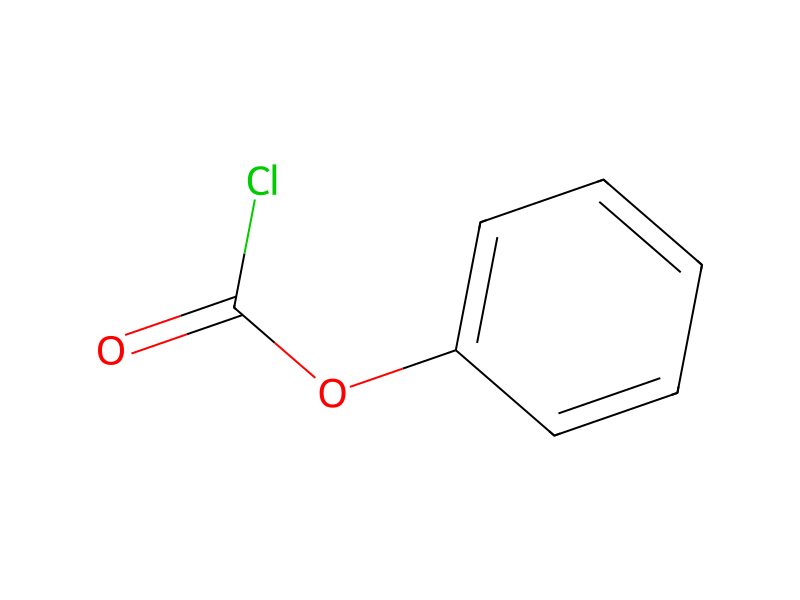
[C:1]([C:3]1[CH:4]=[C:5]([NH:9][C:10]2[C:19]3[C:14](=[CH:15][CH:16]=[C:17]([NH2:20])[CH:18]=3)[N:13]=[CH:12][N:11]=2)[CH:6]=[CH:7][CH:8]=1)#[CH:2].N1C=CC=CC=1.Cl[C:28]([O:30][C:31]1[CH:36]=[CH:35][CH:34]=[CH:33][CH:32]=1)=[O:29]>CN(C=O)C.C(OCC)(=O)C>[C:1]([C:3]1[CH:4]=[C:5]([NH:9][C:10]2[C:19]3[C:14](=[CH:15][CH:16]=[C:17]([NH:20][C:28](=[O:29])[O:30][C:31]4[CH:36]=[CH:35][CH:34]=[CH:33][CH:32]=4)[CH:18]=3)[N:13]=[CH:12][N:11]=2)[CH:6]=[CH:7][CH:8]=1)#[CH:2]Participants
6





Procedure
To a solution of N4-(3-ethynylphenyl)quinazoline-4,6-diamine (100 mg, 0.38 mmol) in DMF (2 mL) containing pyridine (37 μL, 0.46 mmol) was added phenyl chloroformate (49 μL, 0.38 mmol) dropwise at room temperature for 1 h. The reaction mixture was diluted with ethyl acetate and washed with water and brine. The combined organic layers were concentrated to give phenyl 4-(3-ethynylphenylamino)quinazolin-6-ylcarbamate as a yellow solid in 95% yield and used in the next step without purification.
Workup
- washwashed with water and brine
- concentrationThe combined organic layers were concentrated
Sources & evidence
- ORD record
- ord-ba8e2a5a68de4adeab1bb0f2a5c12bcf
- Source dataset
- uspto-grants-2013_04
- Patent number
- US08426430B2
Reaction notes
Loading…