Potassium Carbonate → 3-(3-Dimethoxymethyl-4-nitro-phenoxy)phenylamine
Reaction equation

C([O-])([O-])=O.[K+].[K+].Cl[C:8]1[CH:13]=[CH:12][C:11]([N+:14]([O-:16])=[O:15])=[C:10]([CH:17]([O:20][CH3:21])[O:18][CH3:19])[CH:9]=1.[NH2:22][C:23]1[CH:24]=[C:25]([OH:29])[CH:26]=[CH:27][CH:28]=1>CC(N(C)C)=O>[CH3:19][O:18][CH:17]([O:20][CH3:21])[C:10]1[CH:9]=[C:8]([CH:13]=[CH:12][C:11]=1[N+:14]([O-:16])=[O:15])[O:29][C:25]1[CH:24]=[C:23]([NH2:22])[CH:28]=[CH:27][CH:26]=1Participants
5
Reactant 3

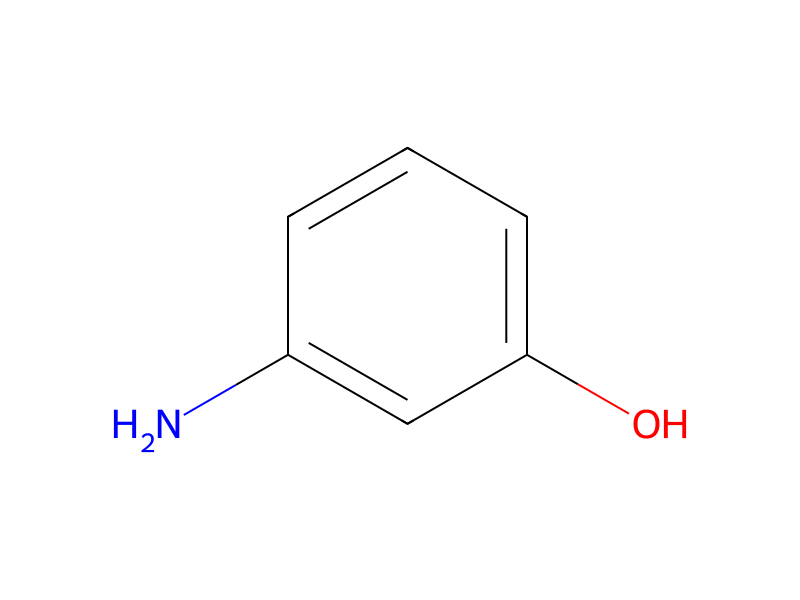

Product 1

Reagents, catalysts & solvents 1

Conditions
- Temperature
- 130 °C
Procedure
K2CO3 (0.34 mol), followed by 4-chloro-2-dimethoxymethyl-1-nitro-benzene (0.2 mol) was added to a solution of 3-amino-phenol (0.3 mol) in DMA (400 mLl) and the reaction mixture was stirred overnight at 130° C. The mixture was cooled to room temperature and the solvent was evaporated. The residue was taken up in H2O and the mixture was extracted with CH2Cl2. The organic layer was separated, dried (MgSO4), filtered off and the solvent was evaporated. The residue was purified by column chromatography (eluent: CH2Cl2 100%). The product fractions were collected and the solvent was evaporated to yield the title compound as a residue.
Workup
- temperatureThe mixture was cooled to room temperature
- customthe solvent was evaporated
- extractionthe mixture was extracted with CH2Cl2
- customThe organic layer was separated
- dry with materialdried (MgSO4)
- filtrationfiltered off
- customthe solvent was evaporated
- customThe residue was purified by column chromatography (eluent: CH2Cl2 100%)
- customThe product fractions were collected
- customthe solvent was evaporated
Sources & evidence
- ORD record
- ord-fefb3185ebc14d5baef709e7180c8a81
- Source dataset
- uspto-grants-2013_04
- Patent number
- US08426429B2
Reaction notes
Loading…