Water → HCID 18990361, compound
Reaction equation

[OH:1][C:2]1[CH:3]=[C:4]([CH:7]=[C:8]([N+:11]([O-:13])=[O:12])[C:9]=1[OH:10])[CH2:5]O.[NH:14]1[CH:18]=[CH:17][CH:16]=[CH:15]1.O>O1CCOCC1>[OH:1][C:2]1[CH:3]=[C:4]([CH:7]=[C:8]([N+:11]([O-:13])=[O:12])[C:9]=1[OH:10])[CH2:5][C:15]1[NH:14][CH:18]=[CH:17][CH:16]=1Participants
5
Reactant 3

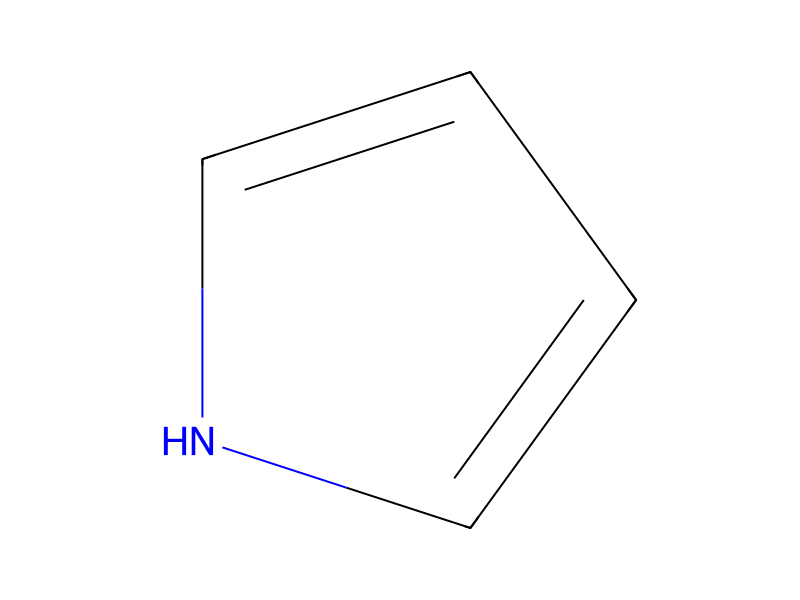

Product 1

Reagents, catalysts & solvents 1

Conditions
- Temperature
- 100 °C
Procedure
A solution containing 1.0 g of 3,4-dihydroxy-5-nitrobenzylalcohol and 5.0 ml of pyrrole in 3.0 ml of dioxane was heated for 5 h at 100° C. Water was added and the solution was extracted with dichloromethane. The solvent was evaporated and the residue was purified in a silicagel column using toluene-acetic acid-dioxane (18:1:1) mixture as an eluent. Yield 0.42 g (33%), m.p. 115°-118° C.
Workup
- extractionthe solution was extracted with dichloromethane
- customThe solvent was evaporated
- customthe residue was purified in a silicagel column
Sources & evidence
- ORD record
- ord-da548f3fbfa24705b69d57bf669feb24
- Source dataset
- uspto-grants-1994_02
- Patent number
- US05283352
Reaction notes
Loading…