Ammonia → HCID 136471494, compound
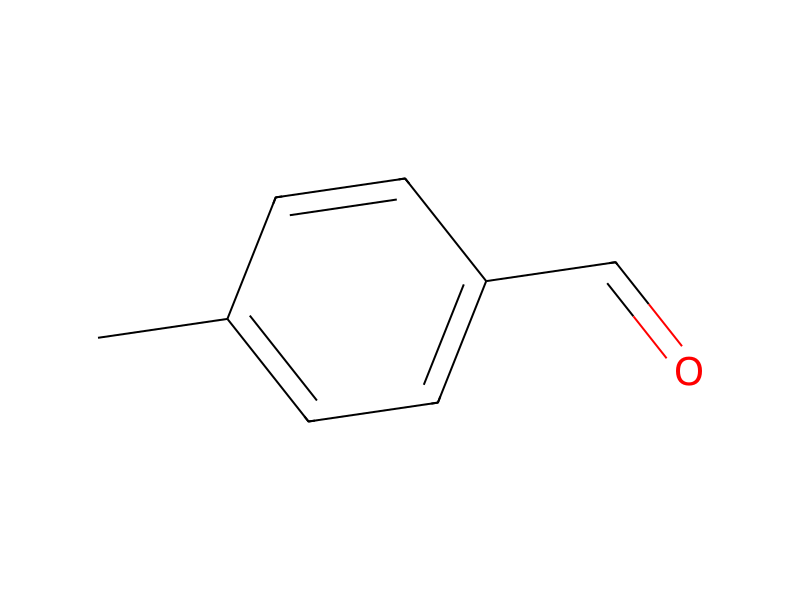
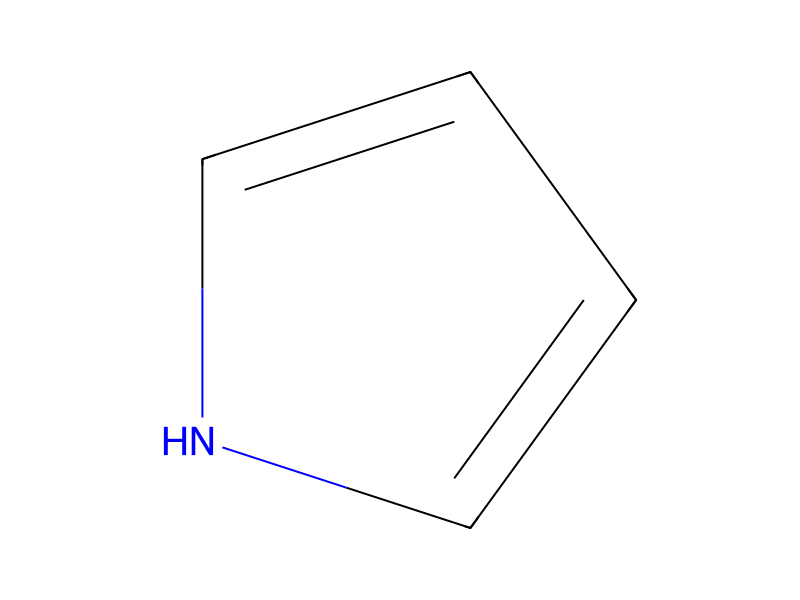
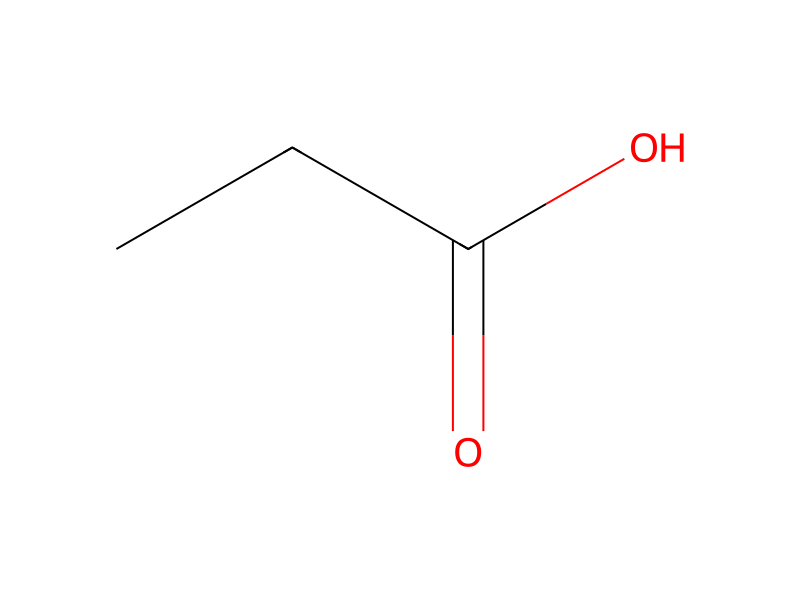
Reaction equation

[C:1]1([CH3:9])[CH:6]=[CH:5][C:4]([CH:7]=O)=[CH:3][CH:2]=1.[N+:10]([C:13]1[CH:14]=[C:15]([CH:18]=[CH:19][CH:20]=1)[CH:16]=O)([O-])=O.[NH:21]1[CH:25]=[CH:24][CH:23]=[CH:22]1.[NH3:26]>C(O)(=O)CC>[NH2:10][C:13]1[CH:14]=[C:15]([C:16]2[C:25]3[NH:21][C:22]([C:9]([C:1]4[CH:6]=[CH:5][C:4]([CH3:7])=[CH:3][CH:2]=4)=[C:25]4[N:21]=[C:22]([C:9]([C:1]5[CH:6]=[CH:5][C:4]([CH3:7])=[CH:3][CH:2]=5)=[C:25]5[NH:21][C:22](=[C:7]([C:4]6[CH:5]=[CH:6][C:1]([CH3:9])=[CH:2][CH:3]=6)[C:6]6[CH:1]=[CH:2][C:3]=2[N:26]=6)[CH:23]=[CH:24]5)[CH:23]=[CH:24]4)=[CH:23][CH:24]=3)[CH:18]=[CH:19][CH:20]=1Participants
Reactant 4


Product 1

Reagents, catalysts & solvents 1
Procedure
To a 1-L flask equipped with a mechanical stirrer, condenser, and an addition funnel were added 300 mL of propionic acid, 22.54 g (0.188 mol) of p-tolualdehyde, and 11.3 g (0.075 mol) of m-nitrobenzaldehyde. The pale yellow solution was brought to reflux, and 16.77 g (0.25 mol) of pyrrole was added as rapidly as possible, without causing any overheating. Refluxing was continued for an additional 40 min. After cooling, the mixture was filtered, and the solid porphyrin mixture was washed with cold methanol until the filtrate was free of brown tar. After the remaining solid was dried, it (5.0 g) was dissolved in 150 mL of concentrated hydrochloric acid to which was added 10 g of stannous chloride dihydrate. The resulting green suspension was allowed to react for 40 min at 70° C., cooled, and treated with concentrated aqueous ammonia until a pH of 8 was obtained. The solution was then extracted several times with chloroform, and the combined organic extracts were washed with three 300-mL portions of 10% aqueous ammonia and then two 400-mL portions of water. The solution containing the mixture of aminoporphyrins was dried over sodium sulfate. In order to simplify the purification process, the mixture of porphyrins was converted to the N-acetyl form. The mixture was first dissolved in a solution of 400 mL of chloroform, 30 mL of pyridine, and 20 mL of acetic anhydride and allowed to stir at room temperature under a nitrogen atmosphere for 7 h. The solvent was then evaporated at reduced pressure, and residual pyridine and acetic anhydride were removed by azeotropic distillation with a 200-mL portion of toluene. The residue was dissolved in chloroform and washed with aqueous citric acid and aqueous sodium bicarbonate, and the solution was dried with sodium sulfate. Evaporation of the solvent at reduced pressure gave a purple solid, which was purified by column chromatography (silica gel/chloroform containing up to 2% acetone). The desired N-acetylporphyrin was collected, dissolved in chloroform, and refluxed for 30 min with 0.8 g of 2,3-dichloro-5,6-dicyanobenzoquinone to remove chlorins. After cooling, the solution was passed through a short bed of alumina to remove excess and reduced quinone. The eluate was evaporated to dryness at reduced pressure, and the residue was treated with 250 mL of concentrated hydrochloric acid for 19 h at 80° C. to hydrolyze the amide functionality. The green reaction mixture was cooled and neutralized with aqueous sodium hydroxide, and the reddish product was extracted with dichloromethane and recrystallized from dichloromethane/ methanol to give 1.18 g of the desired porphyrin (2.8% yield):1H NMR (300 MHz, CDCl3) δ-2.78 (2 H, s, pyrrole NH), 2.69 (9H, s, tolyl CH3), 7.04-7.63 (4 H, m, 5 ArH), 7.54 (6 H, d, J=8.0 Hz, 10,15,20 ArH), 8.09 (6 H, d, J=8.0 Hz, 10,15,20 ArH), 8.85-8.94 (8 H, m, pyrrole H); mass spectrum (EI) m/z 671 (M+); UV-vis (dichloromethane)λmax (nm) 420, 518, 552, 592, 648.
Workup
- customTo a 1-L flask equipped with a mechanical stirrer, condenser, and an addition funnel
- temperatureto reflux
- temperatureRefluxing
- temperatureAfter cooling
- filtrationthe mixture was filtered
- washthe solid porphyrin mixture was washed with cold methanol until the filtrate
- customAfter the remaining solid was dried
- dissolutionit (5.0 g) was dissolved in 150 mL of concentrated hydrochloric acid to which
- additionwas added 10 g of stannous chloride dihydrate
- customto react for 40 min at 70° C.
- temperaturecooled
- customwas obtained
- extractionThe solution was then extracted several times with chloroform
- washthe combined organic extracts were washed with three 300-mL portions of 10% aqueous ammonia
- additionThe solution containing
- additionthe mixture of aminoporphyrins
- dry with materialwas dried over sodium sulfate
- additionthe mixture of porphyrins
- dissolutionThe mixture was first dissolved in a solution of 400 mL of chloroform, 30 mL of pyridine, and 20 mL of acetic anhydride
- customThe solvent was then evaporated at reduced pressure, and residual pyridine and acetic anhydride
- customwere removed by azeotropic distillation with a 200-mL portion of toluene
- dissolutionThe residue was dissolved in chloroform
- washwashed with aqueous citric acid and aqueous sodium bicarbonate
- dry with materialthe solution was dried with sodium sulfate
- customEvaporation of the solvent at reduced pressure
- customgave a purple solid, which
- customwas purified by column chromatography (silica gel/chloroform containing up to 2% acetone)
- customThe desired N-acetylporphyrin was collected
- dissolutiondissolved in chloroform
- temperaturerefluxed for 30 min with 0.8 g of 2,3-dichloro-5,6-dicyanobenzoquinone
- customto remove chlorins
- temperatureAfter cooling
- customto remove excess
- customThe eluate was evaporated to dryness at reduced pressure
- additionthe residue was treated with 250 mL of concentrated hydrochloric acid for 19 h at 80° C.
- temperatureThe green reaction mixture was cooled
- extractionthe reddish product was extracted with dichloromethane
- customrecrystallized from dichloromethane/ methanol
Sources & evidence
- ORD record
- ord-cfd909986cda449489e4c521f42c77e9
- Source dataset
- uspto-grants-1994_02
- Patent number
- US05286474
Reaction notes
Loading…