Dichloromethane → 1-(4-Chlorobenzyl)-1-[4-(pyrid-2-ylmethoxy)phenyl] hydrazine
Reaction equation

[N:1]1[CH:6]=[CH:5][CH:4]=[CH:3][C:2]=1[CH2:7][O:8][C:9]1[CH:14]=[CH:13][C:12]([NH:15][NH2:16])=[CH:11][CH:10]=1.C(N(C(C)C)CC)(C)C.ClCCl.[Cl:29][C:30]1[CH:37]=[CH:36][C:33]([CH2:34]Cl)=[CH:32][CH:31]=1>[Br-].C([N+](CCCC)(CCCC)CCCC)CCC.O>[Cl:29][C:30]1[CH:37]=[CH:36][C:33]([CH2:34][N:15]([C:12]2[CH:13]=[CH:14][C:9]([O:8][CH2:7][C:2]3[CH:3]=[CH:4][CH:5]=[CH:6][N:1]=3)=[CH:10][CH:11]=2)[NH2:16])=[CH:32][CH:31]=1Participants
7
Reactant 4

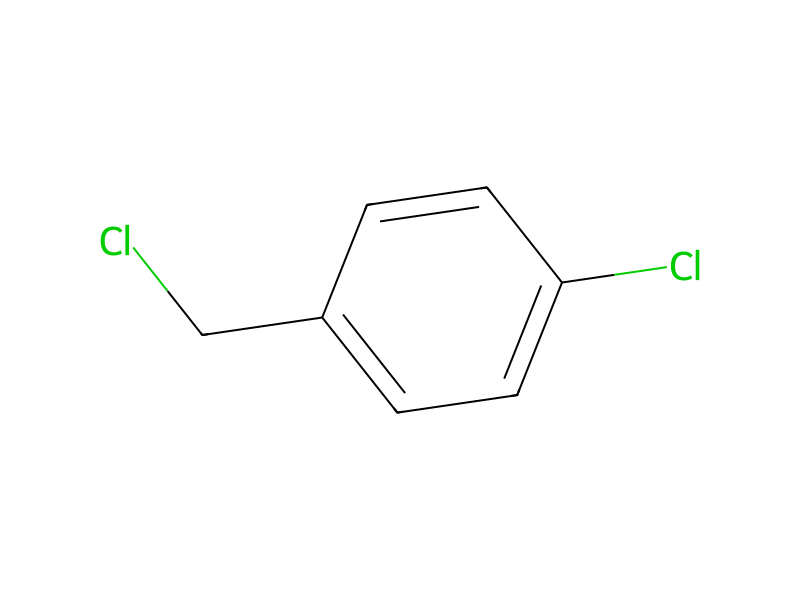


Product 1

Reagents, catalysts & solvents 2


Procedure
4-(Pyrid-2-ylmethoxy)phenylhydrazine (66.2 g; 308 mmol), prepared as in step 3, was added to a solution of 86 mL diisopropylethylamine and 900 mL dichloromethane. 4-Chlorobenzyl chloride (74.4 g; 462 mmol) and tetrabutylammonium bromide (29.8 g; 92.4 mmol) and an additional 100 mL dichloromethane were added and the reaction was stirred at ambient temperature for 24 hours. The reaction mixture was diluted with water and the layers were separated. The aqueous layer was extracted with dichloromethane. The combined organics were dried over magnesium sulfate and concentrated. The residue was washed with 9:1 diethyl ether, methanol to afford 1-(4-chlorobenzyl)-1-[4-(pyrid-2-ylmethoxy)phenyl] hydrazine as a beige solid.
Workup
- customthe layers were separated
- extractionThe aqueous layer was extracted with dichloromethane
- dry with materialThe combined organics were dried over magnesium sulfate
- concentrationconcentrated
- washThe residue was washed with 9:1 diethyl ether, methanol
Sources & evidence
- ORD record
- ord-42eb282e965041b39511e86f250fb8c1
- Source dataset
- uspto-grants-1994_02
- Patent number
- US05288743
Reaction notes
Loading…