Acetic Acid → Adamantanone
Reaction equation

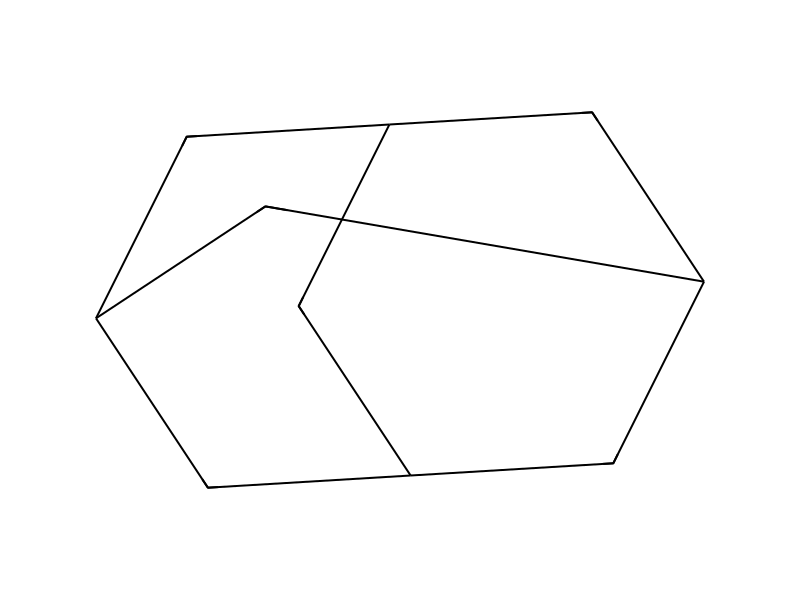
[CH:1]12[CH2:10][CH:5]3[CH2:6][CH:7]([CH2:9][CH:3]([CH2:4]3)[CH2:2]1)[CH2:8]2.[OH:11]N1[C:16](=[O:17])[C:15]2=[CH:18][CH:19]=[CH:20][CH:21]=[C:14]2C1=O.[C:23]([OH:26])(=O)[CH3:24]>>[CH:1]12[CH2:10][CH:5]3[CH2:6][CH:7]([CH2:9][CH:3]([CH2:4]3)[C:2]1=[O:11])[CH2:8]2.[OH:26][C:23]12[CH2:24][CH:19]3[CH2:20][CH:21]([CH2:14][CH:15]([CH2:18]3)[C:16]1=[O:17])[CH2:1]2Participants
5




Procedure
To 25 ml of acetic acid were added 10 mmol of adamantane, 1 mmol of N-hydroxyphthalimide and 0.3 mmol of phosphovanadomoribdic acid (PV5Mo7O40.30H2), and the resultant mixture (pH 1.2) was stirred under an oxygen atmosphere at a temperature of 75° C. for 6 hours. The products in the reaction mixture were analyzed by gas chromatography, and, as a result, adamantane was converted into adamantanone (yield 30%) and 1-hydroxyadamantanone (yield 15%) with a conversion of 77%. Incidentally, excepting the above, 1-adamantanol (yield 16%), 1,3-adamantanediol (yield 8%) and other products (polyketone such as adamantanedione) (yield 8%) were formed.
Sources & evidence
- ORD record
- ord-4a9f43127db9410bb9d3999bfd3b273f
- Source dataset
- uspto-grants-2001_05
- Patent number
- US06232258B1
Reaction notes
Loading…