Hexane → Methyl 2-chloro-4-(3-Methyl-1H-pyrazol-1-yl)benzoate
Reaction equation

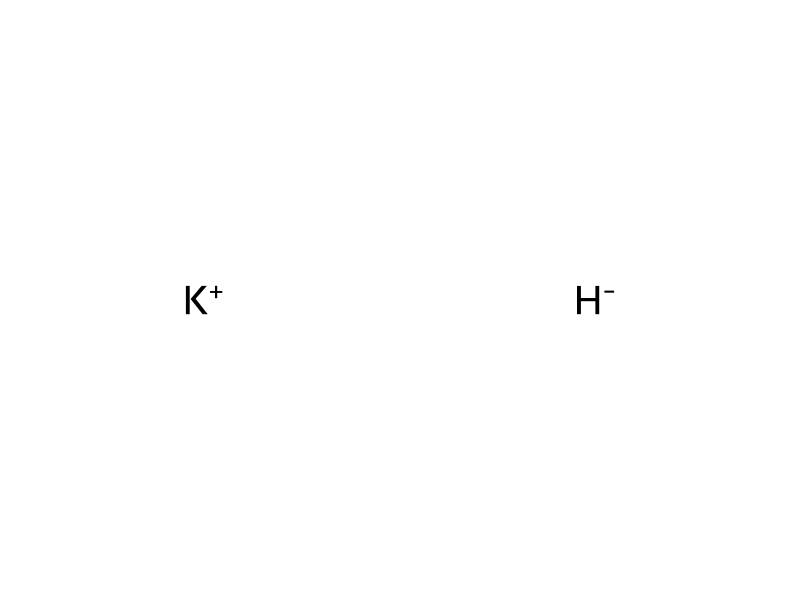
CCCCCC.[H-].[K+].[CH3:9][C:10]1[CH:14]=[CH:13][NH:12][N:11]=1.[CH3:15][O:16][C:17](=[O:26])[C:18]1[CH:23]=[CH:22][C:21](F)=[CH:20][C:19]=1[Cl:25]>CN(C)C=O>[CH3:15][O:16][C:17](=[O:26])[C:18]1[CH:23]=[CH:22][C:21]([N:12]2[CH:13]=[CH:14][C:10]([CH3:9])=[N:11]2)=[CH:20][C:19]=1[Cl:25]Participants




Conditions
- Temperature
- 130 °C
Procedure
Under anhydrous conditions a stirred suspension of hexane washed potassium hydride (0.424 g, 10.6 mmol) in 5 mL of dimethylformamide was treated in one portion with 3-methyl pyrazole (0.85 mL, 10.6 mmol). After the gas evolution ceased, 2-chloro-4-fluorobenzoic acid methyl ester (2.0 g, 10.6 mmol) was added to the clear solution. The mixture was heated at 130° C. for 15 minutes, cooled, and partitioned between ethyl acetate and brine. The organic layer was washed with water and brine, and dried over sodium sulfate. Removal of solvent afforded 2.2 g of a yellow oil consisting of a mixture of 3-methyl and 5-methylpyrazole regioisomers. In addition, about 20% of the acid derived from hydrolysis of the ester was detected by analysis of the NMR spectrum of the crude product. The desired 3-methylpyrazole regioisomer was separated from the 5-methyl isomer of Example 16 by flash chromatography (on silica Merck-60, dichloromethane-hexane 2:1) and was isolated as a white solid (1.55 g).
Workup
- temperaturecooled
- custompartitioned between ethyl acetate and brine
- washThe organic layer was washed with water and brine
- dry with materialdried over sodium sulfate
- customRemoval of solvent
Sources & evidence
- ORD record
- ord-4311fe8804a24d40975f0969f19424a9
- Source dataset
- uspto-grants-2001_05
- Patent number
- US06235900B1
Reaction notes
Loading…