Diisopropylethylamine → HCID 86755171, compound
Reaction equation

O.ON1C2C=CC=CC=2N=N1.Cl.[CH3:13][N:14]([CH3:23])[CH2:15][CH2:16][CH2:17][N:18]=[C:19]=[N:20][CH2:21][CH3:22].[CH:24]([N:27]([CH2:31][CH3:32])[CH:28]([CH3:30])[CH3:29])([CH3:26])[CH3:25]>C(Cl)Cl>[CH3:22][CH2:21][N:20]=[C:19]=[N:18][CH2:17][CH2:16][CH2:15][N:14]([CH3:23])[CH3:13].[CH3:32][CH2:31][N:27]([CH:28]([CH3:30])[CH3:29])[CH:24]([CH3:26])[CH3:25]Participants
5




Procedure
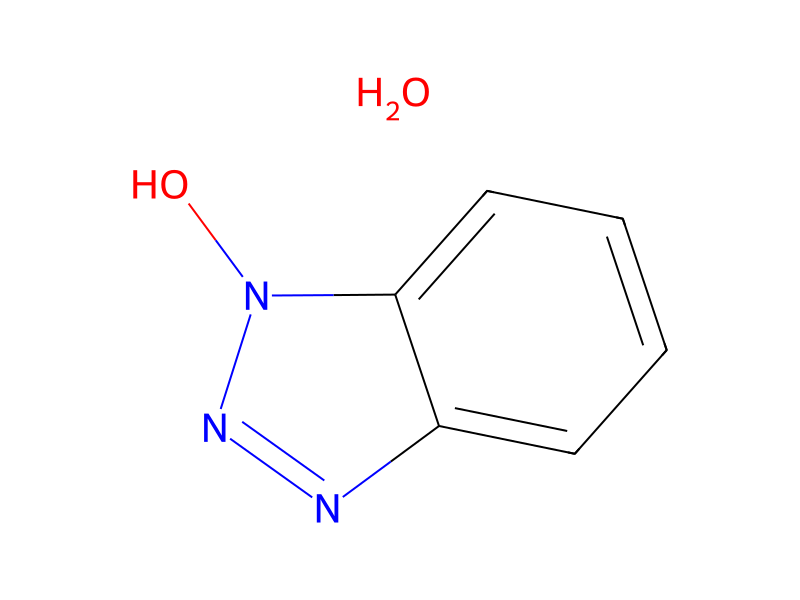
To a solution of acid (1.1 eq.) and 1-Hydroxybenzotriazole hydrate (HOBT; 1.1 eq.) in dry CH2Cl in an ice-bath under N2 was added 1-(3-Dimethylaminopropyl)-3-ethylcarbodiimide hydrochloride (EDCI; 1.1 eq.). The mixture was stirred for 30 minutes. A solution of the amine (1.0 eq.) in dry methylene chloride was added drop-wise followed by N,N-Diisopropylethyamine (DIPEA; 1.5 eq.). The solution was allowed to stir at room temperature overnight. The reaction was quenched with sat. sodium bicarbonate and separated from methylene chloride. The organic layer was dried (Na2SO4), filtered through Celite, and evaporated. The crude product was chromatographed and converted to the HCl salt.
Workup
- stirringto stir at room temperature overnight
- customThe reaction was quenched with sat. sodium bicarbonate
- customseparated from methylene chloride
- dry with materialThe organic layer was dried (Na2SO4)
- filtrationfiltered through Celite
- customevaporated
- customThe crude product was chromatographed
Sources & evidence
- ORD record
- ord-7593fa69b69a40ee97bacf12318e488c
- Source dataset
- uspto-grants-2001_05
- Patent number
- US06239154B1
Reaction notes
Loading…