2-Nitroaniline → 2-Fluoro-n-(2-nitrophenyl)aniline
Reaction equation

[N+:1]([C:4]1[CH:10]=[CH:9][CH:8]=[CH:7][C:5]=1[NH2:6])([O-:3])=[O:2].[F:11][C:12]1[CH:17]=[CH:16][CH:15]=[CH:14][C:13]=1[N+]([O-])=O.C(=O)([O-])[O-].[K+].[K+]>[Cu].C1(C)C(C)=CC=CC=1>[N+:1]([C:4]1[CH:10]=[CH:9][CH:8]=[CH:7][C:5]=1[NH:6][C:13]1[CH:14]=[CH:15][CH:16]=[CH:17][C:12]=1[F:11])([O-:3])=[O:2]Participants
6
Reactant 3


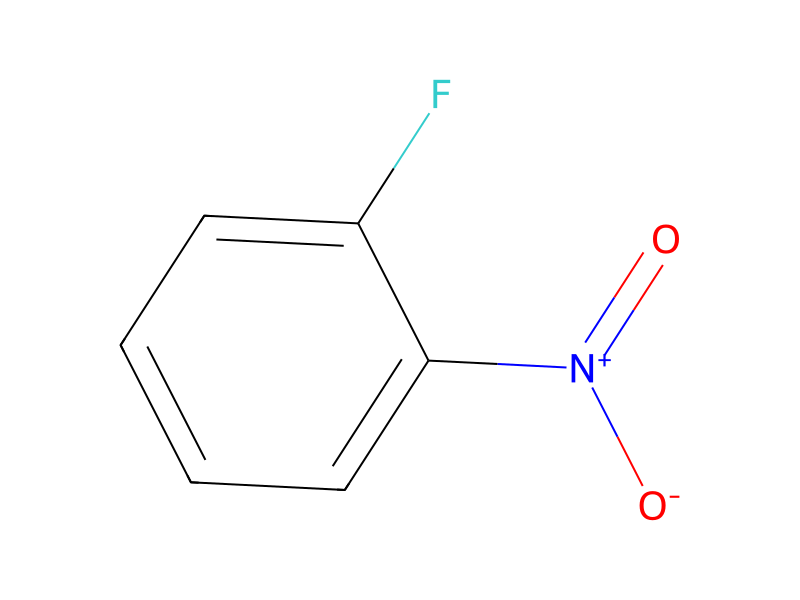
Product 1

Reagents, catalysts & solvents 2


Procedure
2-Nitroaniline (14.9 g), 2-fluoronitrobenzene (29 g), potassium carbonate (14.9 g), copper powder (6.9 g) and xylene (100 ml) was mixed, the mixture was refluxed for 39 hours under argon atmosphere. The reaction mixture was allowed to cool, filtrated, and the filtrate was concentrated under reduced pressure. The residue was dissolved ethyl acetate, successively washed with water and saturated brine, dried over anhydrous sodium sulfate, and the solvent was evaporated under reduced pressure. The residue was purified by silica gel column chromatography (n-hexane:ethyl acetate=10:1), to thereby obtain 18.0 g of the titled compound as orange color crystals (Yield: 72%).
Workup
- temperaturethe mixture was refluxed for 39 hours under argon atmosphere
- temperatureto cool
- filtrationfiltrated
- concentrationthe filtrate was concentrated under reduced pressure
- dissolutionThe residue was dissolved ethyl acetate
- washsuccessively washed with water and saturated brine
- dry with materialdried over anhydrous sodium sulfate
- customthe solvent was evaporated under reduced pressure
- customThe residue was purified by silica gel column chromatography (n-hexane:ethyl acetate=10:1)
Sources & evidence
- ORD record
- ord-ce888bc557e94c2e96b573578a31e240
- Source dataset
- uspto-grants-2001_05
- Patent number
- US06239131B1
Reaction notes
Loading…