Carbon Dioxide → Propylene Oxide
Reaction equation

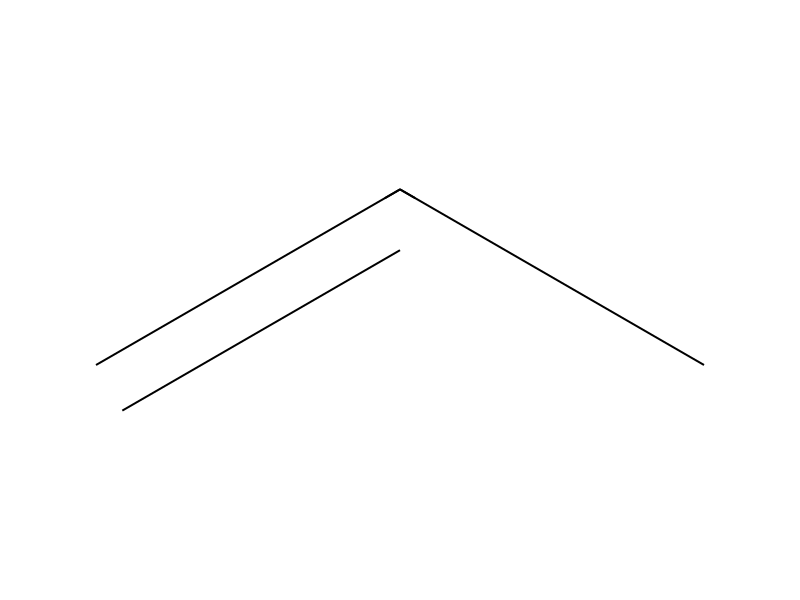
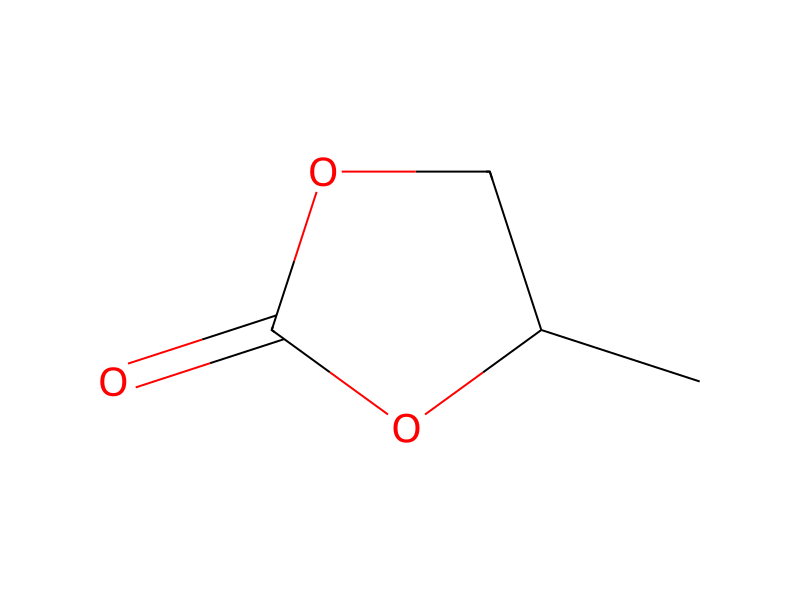
[OH2:1].[CH2:2]=[CH:3][CH3:4].[C:5](=[O:7])=[O:6]>>[CH2:2]1[O:6][CH:3]1[CH3:4].[CH3:2][C:3]([CH3:4])=[O:1].[C:5]1(=[O:1])[O:7][CH:3]([CH3:4])[CH2:2][O:6]1Participants
6




Conditions
- Temperature
- 70 °C
Procedure
Thallic oxide was again prepared as in Example 1. 4.0 g of thallic oxide (8.8 mmoles), 30 g water (1.7 moles), 80 g propylene (1.9 moles) and 95 g carbon dioxide (2.2 moles) were added to the autoclave in Example 1 which was then heated to 70° C. for 2.0 hours. The analysis showed 0.81 mmoles propylene oxide (58% yield), 0.55 mmoles acetone (39% yield) and 0.06 mmoles propylene carbonate (4% yield) to have formed. 1.40 mmoles of thallous bicarbonate (16% conversion) was detected in a solution having a pH =7.9.
Sources & evidence
- ORD record
- ord-03ceef9447a04ba2aed307993b77fa54
- Source dataset
- uspto-grants-1984_11
- Patent number
- US04483996
Reaction notes
Loading…