Carbon Dioxide → Propylene Oxide
Reaction equation

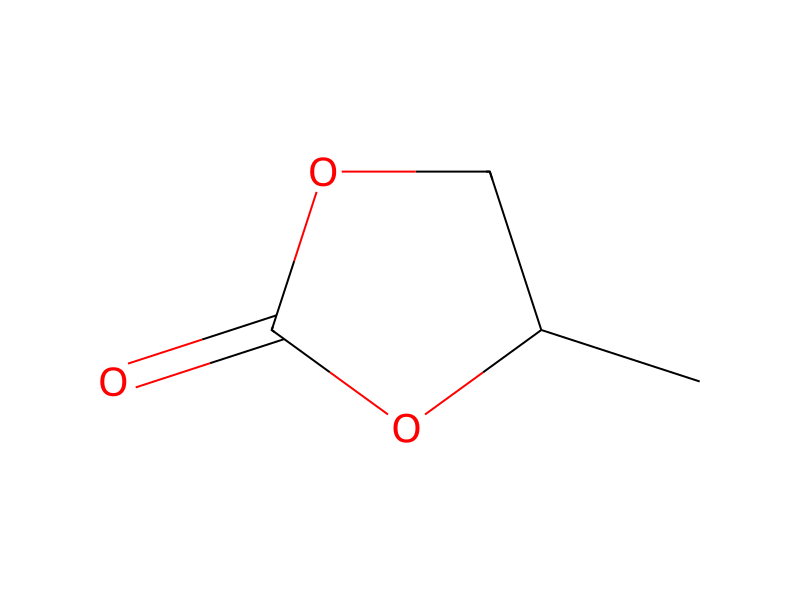
O.[C:2]([OH:5])(=[O:4])C.O.O.C(O)(=O)C.S1(CCCC1)(=O)=O.C=CC.C(=O)=O.[Cl-].[Mg+2].[Cl-].Cl.[CH2:29]1[O:32][CH:30]1[CH3:31].Cl.[OH-].[Na+]>C(C(C)=O)C.O>[C:2]1(=[O:4])[O:32][CH:30]([CH3:31])[CH2:29][O:5]1.[CH2:29]1[O:32][CH:30]1[CH3:31].[CH3:29][C:30]([CH3:31])=[O:32]Participants
Reactant 8



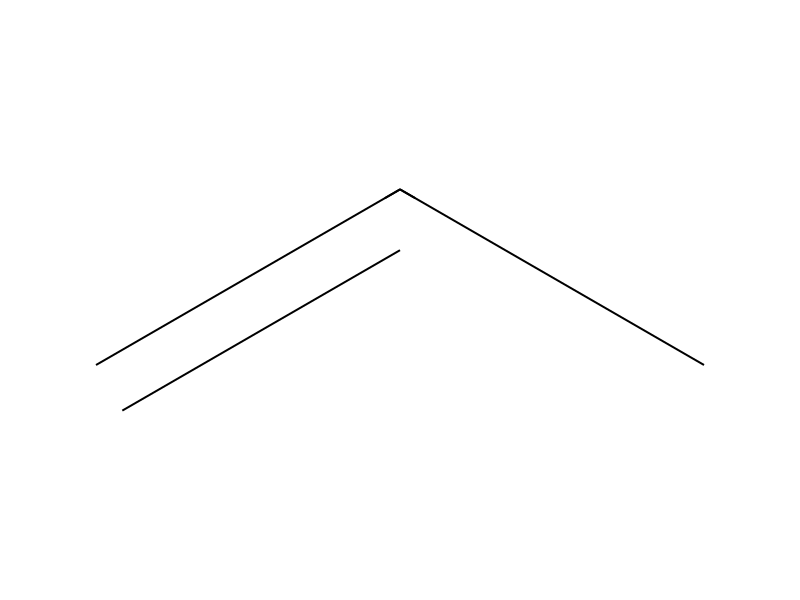



Product 3

Reagents, catalysts & solvents 2


Conditions
- Temperature
- -78 °C
Procedure
3.6 g of thallic acetate sesquihydrate (8.8 mmole), 30 g sulfolane and 6.0 g of water were added to a 300 cc. stainless steel Autoclave Engineers Magnedrive Autoclave. The autoclave was cooled to -78° C. and 20 g of propylene (0.5 mole) and 127 g carbon dioxide (2.9 moles) were introduced therein. The autoclave was then heated to 50° C. for 2.0 hours, creating a total system pressure of 1,400 psig. The autoclave volatiles were then vented into a methyl ethyl ketone scrubber, followed by treatment in a 0.10 M magnesium chloride-hydrochloric acid scrubber. The first scrubber trapped the volatile oxidized propylene products while the second trapped the remaining propylene oxide which escaped the first trap. The excess hydrochloric acid scrubber was titrated with 0.10 M sodium hydroxide. The organics which remained in the aqueous sulfolane solution were measured by standard gas chromatographic techniques. The analysis detected 0.9 mmoles propylene carbonate (21% yield), 1.8 mmoles propylene oxide, (43% yield) and 0.3 mmoles acetone (7% yield). No propylene glycol monoacetate was detected. 4.2 mmoles of thallous acetate (48% conversion) was detected at pH=6.0.
Workup
- temperatureThe autoclave was then heated to 50° C. for 2.0 hours
Sources & evidence
- ORD record
- ord-4bfba1796edc42ab9c42bd499e35dd7a
- Source dataset
- uspto-grants-1984_11
- Patent number
- US04483994
Reaction notes
Loading…