Dichloromethane → N-(tert-Butoxycarbonyl)-N-ethyl-L-phenylalanine
Reaction equation

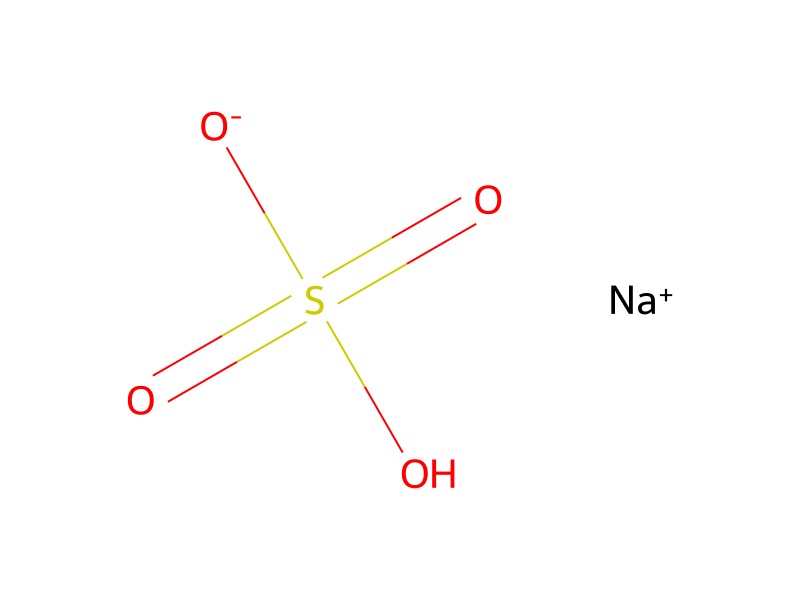
C([O:3][C:4](=[O:23])[C@H:5]([CH2:16][C:17]1[CH:22]=[CH:21][CH:20]=[CH:19][CH:18]=1)[N:6]([C:9]([O:11][C:12]([CH3:15])([CH3:14])[CH3:13])=[O:10])[CH2:7][CH3:8])C.[OH-].[K+].ClCCl.S(=O)(=O)(O)[O-].[Na+]>O1CCCC1.O>[C:12]([O:11][C:9]([N:6]([CH2:7][CH3:8])[C@H:5]([C:4]([OH:23])=[O:3])[CH2:16][C:17]1[CH:22]=[CH:21][CH:20]=[CH:19][CH:18]=1)=[O:10])([CH3:14])([CH3:15])[CH3:13]Participants
7






Procedure
To a stirred mixture of 16 g (0.05 mole) of t-butoxycarbonyl-N-ethylphenylalanine ethyl ester (prepared as in Example 11) in 200 ml of tetrahydrofuran was added 6.6 g (0.1 mole) of potassium hydroxide in 400 ml of water. After the mixture was stirred overnight, 400 ml of dichloromethane was added and the mixture acidified to pH 3 with 0.5M sodium bisulfate. The aqueous layer was separated and washed with dichloromethane, and all organic layers were recombined. This organic solution was further washed with water, dried over sodium sulfate, filtered, and concentrated in vacuo to dryness. Column chromatography on silica gel afforded 10.9 g of the analytically pure title compound.
Workup
- customThe aqueous layer was separated
- washwashed with dichloromethane
- washThis organic solution was further washed with water
- dry with materialdried over sodium sulfate
- filtrationfiltered
- concentrationconcentrated in vacuo to dryness
Sources & evidence
- ORD record
- ord-4c98548b9e7e438db0da6797392bae93
- Source dataset
- uspto-grants-1985_04
- Patent number
- US04510085
Reaction notes
Loading…