Methanol → Triphenylphosphine Oxide
Reaction equation

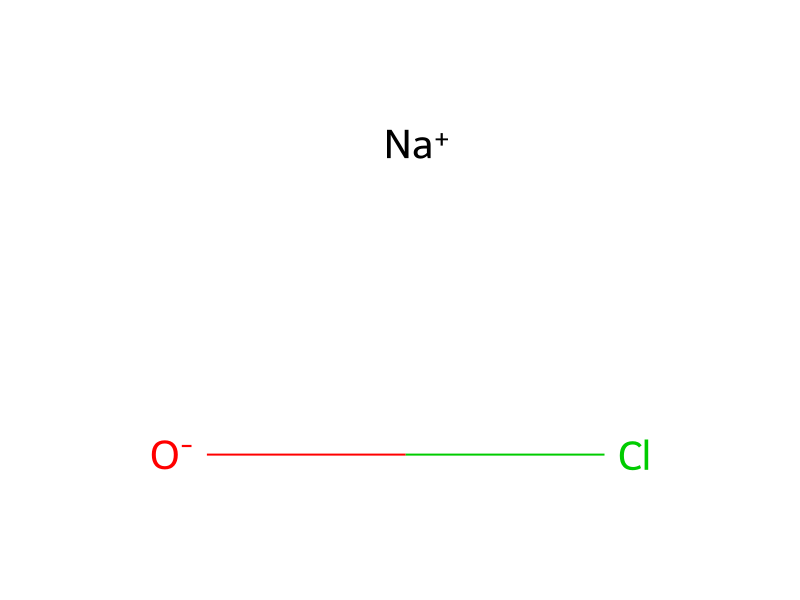
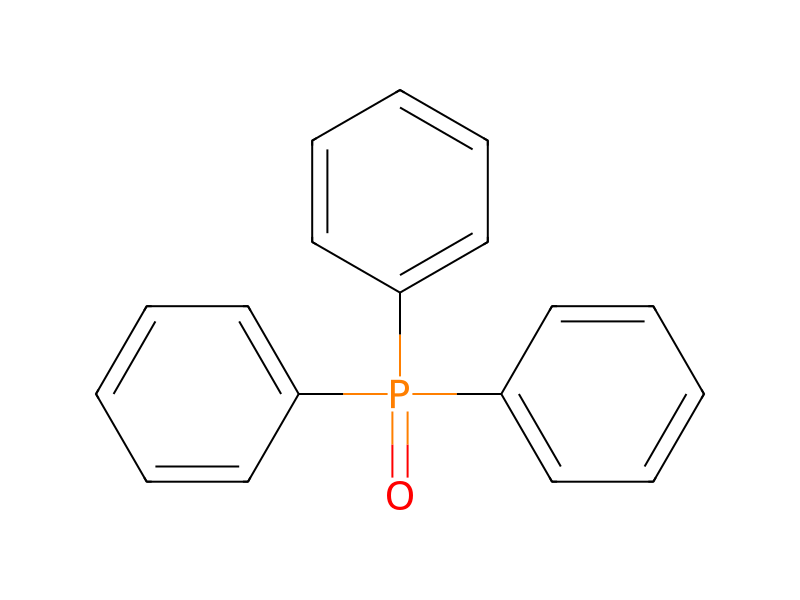
CO.[C:3]1([P:9](=S)([C:16]2[CH:21]=[CH:20][CH:19]=[CH:18][CH:17]=2)[C:10]2[CH:15]=[CH:14][CH:13]=[CH:12][CH:11]=2)[CH:8]=[CH:7][CH:6]=[CH:5][CH:4]=1.C(=O)([O-])[OH:24].[Na+].Cl[O-].[Na+]>O>[C:3]1([P:9](=[O:24])([C:16]2[CH:21]=[CH:20][CH:19]=[CH:18][CH:17]=2)[C:10]2[CH:15]=[CH:14][CH:13]=[CH:12][CH:11]=2)[CH:8]=[CH:7][CH:6]=[CH:5][CH:4]=1Participants
6
Reactant 4



Product 1
Reagents, catalysts & solvents 1

Procedure
To a mixture of methanol (125 ml), triphenylphosphine sulfide (7.5 g) and aqueous 2.5% sodium hydrogen carbonate (25 ml) is added aqueous 14.3% sodium hypochlorite (125 ml) at 10° C. to 15° C., and the mixture is stirred for 1 hour at the same temperature. The reaction mixture is diluted with water (500 ml), and the separated crystals are collected by filtration, washed with water and dried to give triphenylphosphine oxide (6.5 g). m.p. 154°-157° C.
Workup
- filtrationthe separated crystals are collected by filtration
- washwashed with water
- customdried
Sources & evidence
- ORD record
- ord-af00e01285b34c5ca47ced052c8cd579
- Source dataset
- uspto-grants-1985_04
- Patent number
- US04511738
Reaction notes
Loading…