Methyl Methacrylate → HCID 13608860, compound
Reaction equation

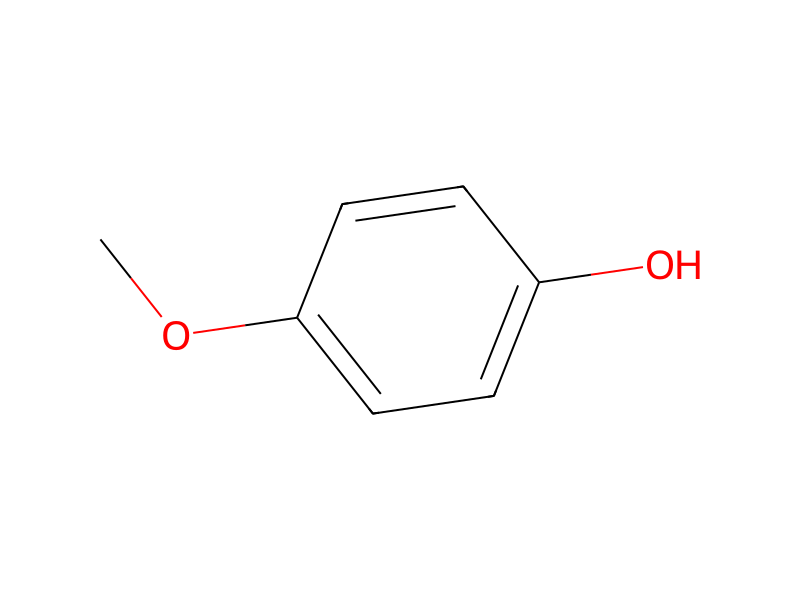
[CH:1]1([CH2:7][CH2:8][CH2:9][OH:10])[CH2:6][CH2:5][CH2:4][CH2:3][CH2:2]1.[C:11](OC)(=[O:15])[C:12]([CH3:14])=[CH2:13].COC1C=CC(O)=CC=1.CO.C(OC)(=O)C(C)=C>CC([O-])C.CC([O-])C.CC([O-])C.CC([O-])C.[Ti+4]>[C:11]([O:10][CH2:9][CH2:8][CH2:7][CH:1]1[CH2:6][CH2:5][CH2:4][CH2:3][CH2:2]1)(=[O:15])[C:12]([CH3:14])=[CH2:13]Participants
6



Procedure
In a 4 liter three-neck round bottomed flask equipped with a thermometer, a reflux condenser with distillation attachment, and a stirrer, 852 g (6 mol) 3-cyclohexyl-1-propanol, 1800 g (18 mol) methyl methacrylate, 0.18 g p-methoxyphenol, and 26 g isopropyl titanate were heated to boiling, while passing air through the mixture, and a methanol/methyl methacrylate azeotrope was drawn off, until complete conversion was achieved (c. 3.5 hr). The excess methyl methacrylate was removed in a rotary evaporator, and the residue was distilled. 3-Cyclohexylpropyl methacrylate was obtained in 91.5% yield. Purity as determined by gas-chromatography:>98% B.p. (0.8 mm):88° C. nD20 :1.464.
Workup
- temperaturewere heated
- custom(c. 3.5 hr)
- customThe excess methyl methacrylate was removed in a rotary evaporator
- distillationthe residue was distilled
Sources & evidence
- ORD record
- ord-b5041c6ae9154840983bca3cc9d0fab6
- Source dataset
- uspto-grants-1986_06
- Patent number
- US04594448
Reaction notes
Loading…