Sodium Hydroxide → 3-[(4-Fluorophenyl)methoxy]-4-nitropyridine
Reaction equation

P(Cl)(Cl)Cl.[F:5][C:6]1[CH:23]=[CH:22][C:9]([CH2:10][O:11][C:12]2[CH:13]=[N+:14]([O-])[CH:15]=[CH:16][C:17]=2[N+:18]([O-:20])=[O:19])=[CH:8][CH:7]=1.[OH-].[Na+]>C(OCC)(=O)C>[F:5][C:6]1[CH:23]=[CH:22][C:9]([CH2:10][O:11][C:12]2[CH:13]=[N:14][CH:15]=[CH:16][C:17]=2[N+:18]([O-:20])=[O:19])=[CH:8][CH:7]=1Participants
5




Procedure
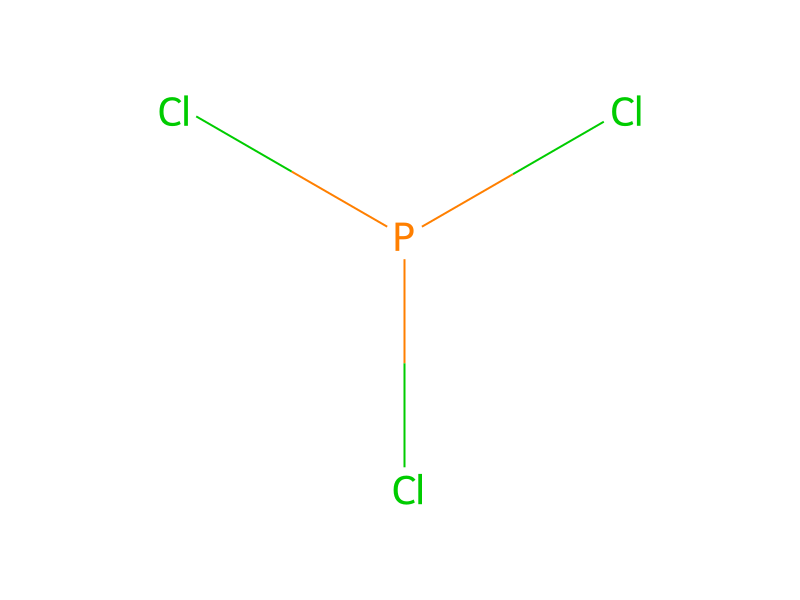
Phosphorus trichloride (3.65 ml, 41.80 mmol) was slowly added at 0° C. to a solution of 3-(4-fluorobenzyloxy)-4-nitropyridin-N-oxide (7.72 g, 27.87 mmol) prepared in Step 3 in 500 ml of ethyl acetate. The reaction mixture was stirred for 1 hour at room temperature and then alkalized with 2N sodium hydroxide solution. The separated organic layer was dried on anhydrous magnesium sulfate and then concentrated under reduced pressure. The resulting residue was used in the subsequent step without further purification.
Workup
- dry with materialThe separated organic layer was dried on anhydrous magnesium sulfate
- concentrationconcentrated under reduced pressure
- customThe resulting residue was used in the subsequent step without further purification
Sources & evidence
- ORD record
- ord-2138dd5caf904ac38b4806ef86ecbce3
- Source dataset
- uspto-grants-2009_06
- Patent number
- US07541366B2
Reaction notes
Loading…