Hexane → 4-Bromo-2-(trifluoromethoxy)benzaldehyde
Reaction equation

[Br:1][C:2]1[CH:7]=[CH:6][C:5](I)=[C:4]([O:9][C:10]([F:13])([F:12])[F:11])[CH:3]=1.[Li]CCCC.CCCCCC.[CH:25](N1CCOCC1)=[O:26]>C1COCC1>[Br:1][C:2]1[CH:7]=[CH:6][C:5]([CH:25]=[O:26])=[C:4]([O:9][C:10]([F:13])([F:12])[F:11])[CH:3]=1Participants

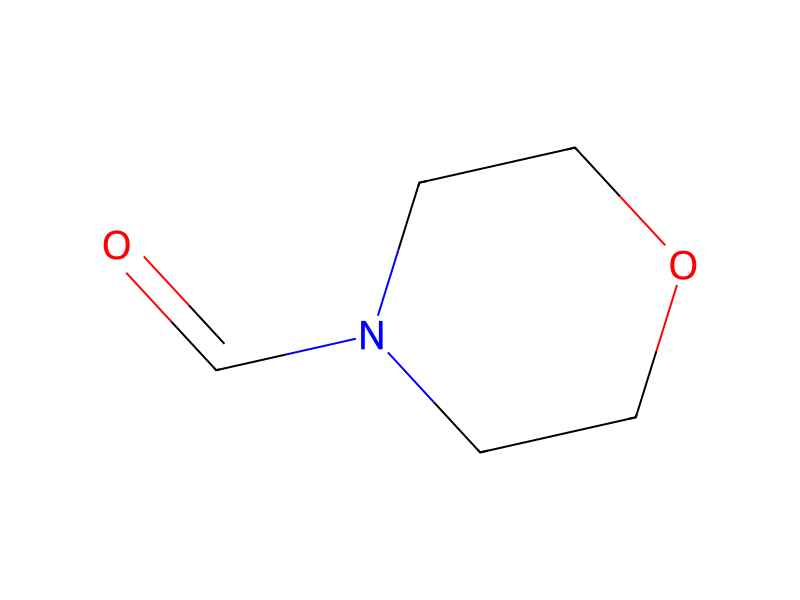




Conditions
- Temperature
- -78 °C
Procedure
A solution of 4-bromo-1-iodo-2-trifluoromethoxy-benzene (1.00 g, 2.72 mmol) in THF (15 mL) was cooled to −78° C., and 2.66 M BuLi in hexane (2.05 mL, 5.44 mmol) was added dropwise. The reaction mixture was stirred at −78° C. for 1.5 h, and N-formylmorpholine (0.57 mL, 5.63 mmol) was added. The reaction mixture was stirred at −78° C. for 15 min and at ambient temperature for 80 min. The reaction was quenched with 0.25 M aqueous citric acid (10 mL), and the resulting mixture was extracted with EtOAc (three times). The combined organic layer was dried over MgSO4, filtered, concentrated, and purified by flash chromatography (silica gel, 2% to 5% EtOAc in hexane) to give 4-bromo-2-trifluoromethoxy-benzaldehyde (560 mg, 77%) as a pale brown solid.
Workup
- stirringThe reaction mixture was stirred at −78° C. for 15 min and at ambient temperature for 80 min
- customThe reaction was quenched with 0.25 M aqueous citric acid (10 mL)
- extractionthe resulting mixture was extracted with EtOAc (three times)
- dry with materialThe combined organic layer was dried over MgSO4
- filtrationfiltered
- concentrationconcentrated
- custompurified by flash chromatography (silica gel, 2% to 5% EtOAc in hexane)
Sources & evidence
- ORD record
- ord-3b2a4fd1afc94a519f7985a5371b4a1a
- Source dataset
- uspto-grants-2009_06
- Patent number
- US07544690B2
Reaction notes
Loading…