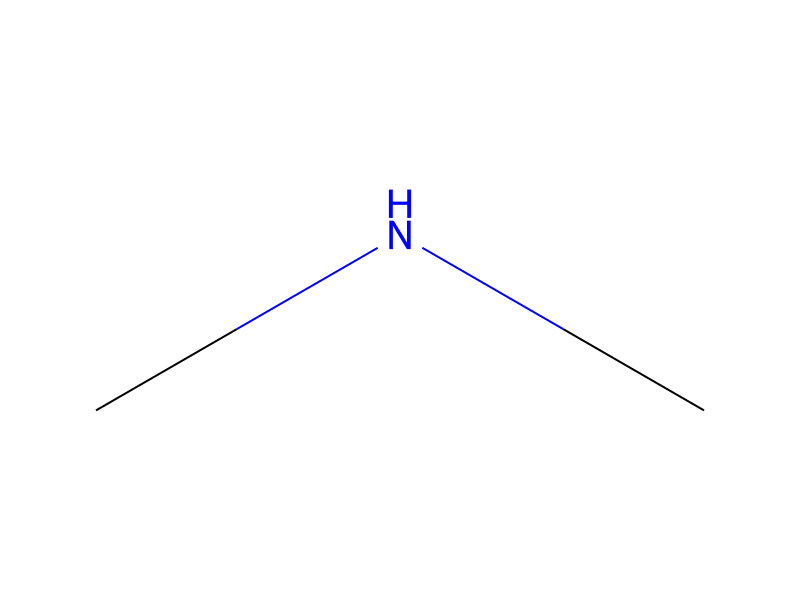
Dimethylamine → HCID 14871689, compound
Reaction equation

CC(C)[O-].N#N.[CH3:7][NH:8][CH3:9].[CH3:10][C:11]([C:13]1[CH:18]=[CH:17][CH:16]=[C:15]([O:19][CH3:20])[CH:14]=1)=O.[BH4-].[Na+].[BH4-].[OH-].[NH4+]>C(O)C>[CH3:20][O:19][C:15]1[CH:14]=[C:13]([CH:11]([N:8]([CH3:9])[CH3:7])[CH3:10])[CH:18]=[CH:17][CH:16]=1Participants






Conditions
- Temperature
- 10 °C
Procedure
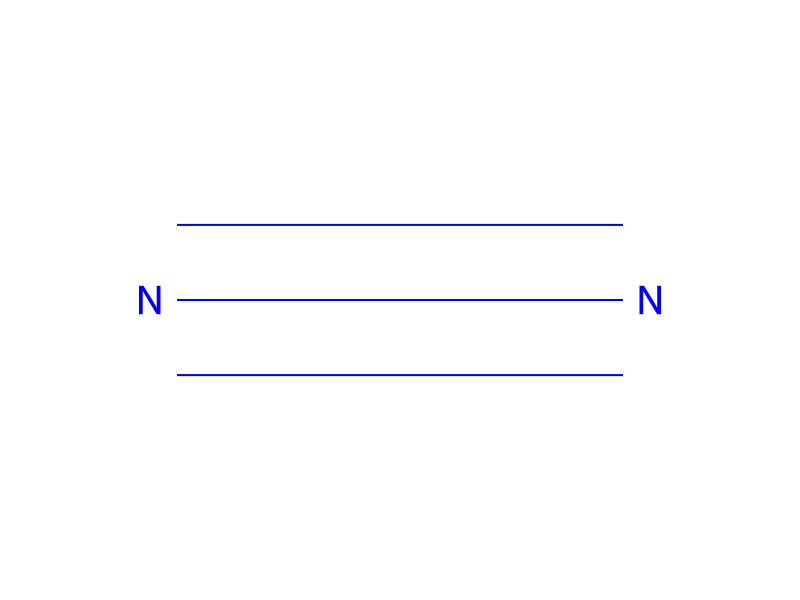
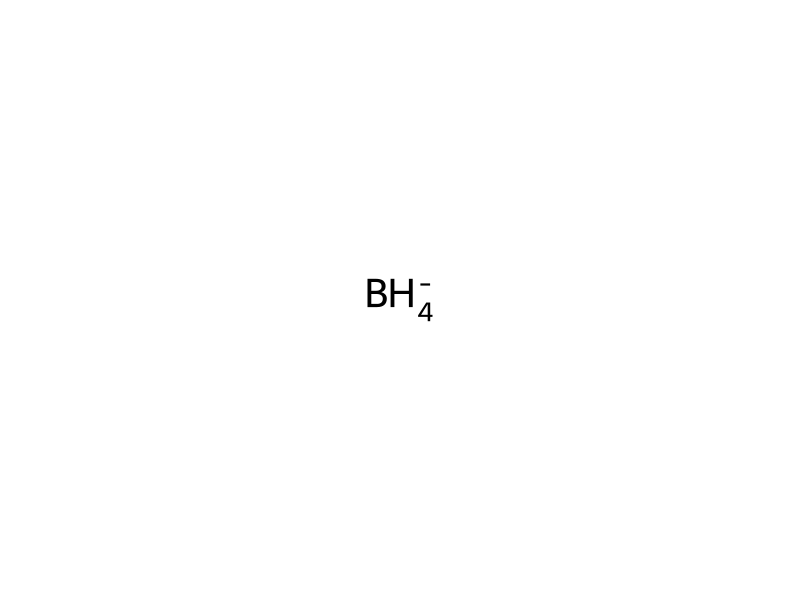
0.5 l of titanic isopropoxide is slowly (5 minutes) added under inert conditions (N2, argon) to a solution of 75.5 g of dimethylamine in 1.5 l of ethanol cooled to 10° C. in a water-ice bath, which is placed in a 6-liter three-neck flask fitted with a KPG stirrer, inlet and outlet of the inert and a thermometer, and, finally, 148.4 g of 3-methoxyacetophenone (VI) are added (5 minutes). The addition of isopropoxide is slightly exothermic. The resulting temperature of the reaction mixture after addition reaches 35° C. The reaction mixture is then mixed at room temperature for 9 to 10 hours. During the reaction period, the mixture becomes slightly turbid. After said period, 56.6 g of sodium borohydride are slowly and carefully added to the reaction mixture. The duration of this addition is about 2 hours. The reaction mixture thickens into a slurry and foams and it needs to be mixed very intensively. The temperature is kept within the range from 25° C. to 30° C. by mild cooling with ice. If the reaction mixture is overcooled below 20° C. a dense, difficult-to-mix foam forms upon addition of the borohydride. After the borohydride is added, the resulting white slurry is mixed for 10 to 12 hours at room temperature. Then, the supply of the inert is stopped and 800 ml of an aqueous solution of ammonium hydroxide (2:1) are slowly (over 10 minutes) poured into the reaction mixture. The resulting mixture is mixed for 20 minutes. The fine white crystals of the inorganic material are sucked away and well washed with methanol (ca 1 l). The whole alcoholic fraction is evaporated from the filtrate in a rotary vacuum evaporator. The evaporation residue is diluted with 1,000 ml of water and extracted with 3×330 ml of ethylacetate. The combined ethylacetate extract are washed once with 100 ml of water and extracted with 3×200 ml of hydrochloric acid (5:2). The acidic aqueous extracts are combined and alkalized with 20% NaOH (ca 1 l) to pH 12 up to 14 and extracted with 3×300 ml of ethylacetate. The organic fraction is washed with 100 ml of water and 150 ml of brine. It is dried with anhydrous sodium sulfate. The desiccant is filtered off and the filtrate is evaporated to dryness in a rotary vacuum evaporator. The crude product is distilled and ca 60% of the desired product in the form of a colorless oil are obtained. b.p.=68° C. at 400 Pa, 108° C. at 800 Pa
Workup
- custom(5 minutes)
- customwhich is placed in a 6-liter three-neck flask
- customfitted with a KPG stirrer, inlet and outlet of the inert and a thermometer
- additionThe resulting temperature of the reaction mixture after addition
- customreaches 35° C
- additionThe reaction mixture is then mixed at room temperature for 9 to 10 hours
- customDuring the reaction period
- waitAfter said period
- additioncarefully added to the reaction mixture
- additionThe duration of this addition
- additionto be mixed very intensively
- customis kept within the range from 25° C. to 30° C.
- temperatureby mild cooling with ice
- customis overcooled below 20° C.
- additiondifficult-to-mix foam forms
- additionthe resulting white slurry is mixed for 10 to 12 hours at room temperature
- custom(over 10 minutes)
- additionpoured into the reaction mixture
- additionThe resulting mixture is mixed for 20 minutes
- washwell washed with methanol (ca 1 l)
- customThe whole alcoholic fraction is evaporated from the filtrate in a rotary vacuum evaporator
- additionThe evaporation residue is diluted with 1,000 ml of water
- extractionextracted with 3×330 ml of ethylacetate
- extractionThe combined ethylacetate extract
- washare washed once with 100 ml of water
- extractionextracted with 3×200 ml of hydrochloric acid (5:2)
- extractionextracted with 3×300 ml of ethylacetate
- washThe organic fraction is washed with 100 ml of water and 150 ml of brine
- dry with materialIt is dried with anhydrous sodium sulfate
- filtrationThe desiccant is filtered off
- customthe filtrate is evaporated to dryness in a rotary vacuum evaporator
- distillationThe crude product is distilled
Sources & evidence
- ORD record
- ord-d09f856c10064be7b48c05a37bfc2ef5
- Source dataset
- uspto-grants-2009_06
- Patent number
- US07544840B2
Reaction notes
Loading…