N,N-Diethylaniline → 3-Bromo-4-chloro-5-nitropyridine
Reaction equation

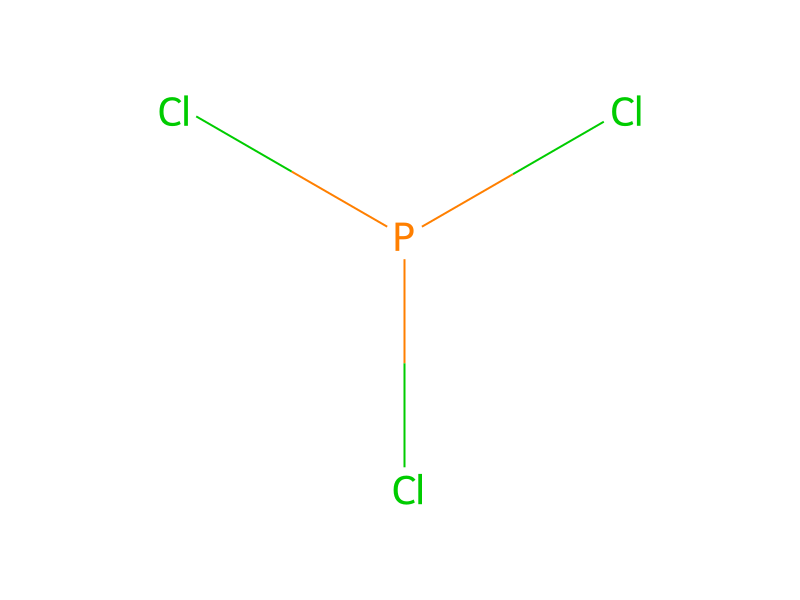
[Br:1][C:2]1[CH:3]=[N:4][CH:5]=[C:6]([N+:9]([O-:11])=[O:10])[C:7]=1O.P(Cl)(Cl)[Cl:13].C(N(CC)C1C=CC=CC=1)C>>[Br:1][C:2]1[CH:3]=[N:4][CH:5]=[C:6]([N+:9]([O-:11])=[O:10])[C:7]=1[Cl:13]Participants
4



Procedure
3-bromo-5-nitropyridin-4-ol (49.8 g, 0.227 mol) prepared in Step 1 was slowly added at 0° C. to 200 ml of phosphorus trichloride. N,N-diethylaniline (34.65 ml, 0.227 mol) was slowly added thereto at the same temperature. The reaction mixture was refluxed under stirring for 2 hours and then concentrated under reduced pressure. The resulting residue was added to ice water and then extracted with 300 ml of ether. The separated organic layer was dried on anhydrous magnesium sulfate and then concentrated under reduced pressure to give 32.4 g of the titled compound as a pale yellow solid. The product was used in the subsequent step without further purification.
Workup
- temperatureThe reaction mixture was refluxed
- concentrationconcentrated under reduced pressure
- additionThe resulting residue was added to ice water
- extractionextracted with 300 ml of ether
- dry with materialThe separated organic layer was dried on anhydrous magnesium sulfate
- concentrationconcentrated under reduced pressure
Sources & evidence
- ORD record
- ord-f0a0539756a14b3fba22f46a6b043f8c
- Source dataset
- uspto-grants-2010_01
- Patent number
- US07642269B2
Reaction notes
Loading…