Ethyl chloroformate → Ethyl 4-cyano-1-((2-(trimethylsilyl)ethoxy)-methyl)-1H-imidazole-2-carboxylate
Reaction equation

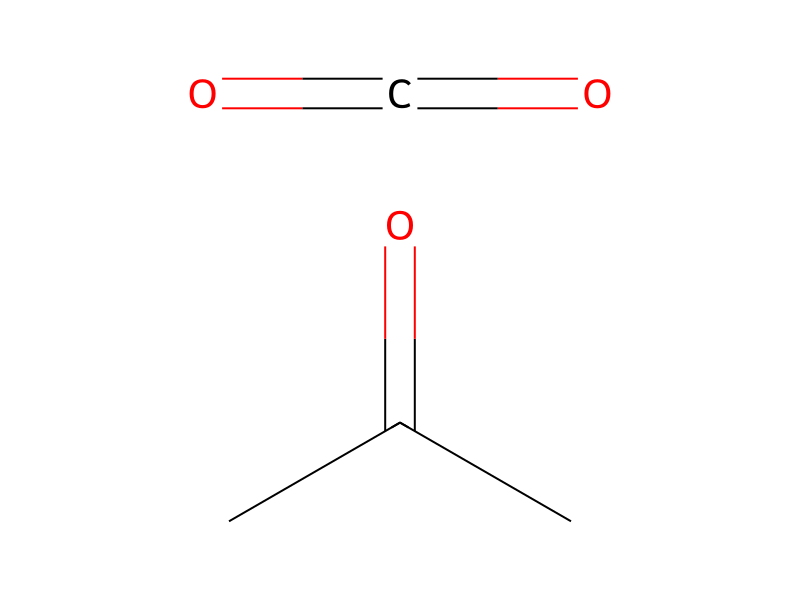
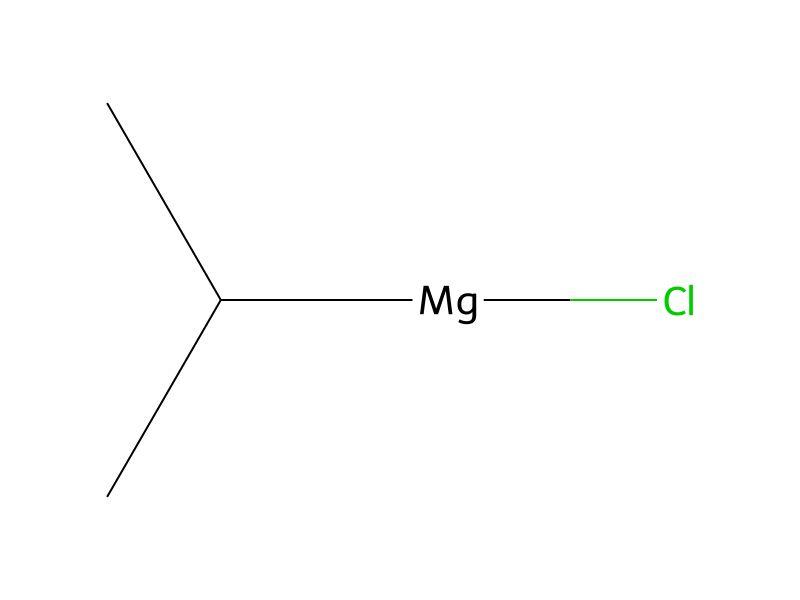
Br[C:2]1[N:3]([CH2:9][O:10][CH2:11][CH2:12][Si:13]([CH3:16])([CH3:15])[CH3:14])[CH:4]=[C:5]([C:7]#[N:8])[N:6]=1.C([Mg]Cl)(C)C.Cl[C:23]([O:25][CH2:26][CH3:27])=[O:24].C(=O)=O.CC(C)=O>ClCCl.CCOC(C)=O.CCCCCCC.O1CCCC1>[CH2:26]([O:25][C:23]([C:2]1[N:3]([CH2:9][O:10][CH2:11][CH2:12][Si:13]([CH3:16])([CH3:15])[CH3:14])[CH:4]=[C:5]([C:7]#[N:8])[N:6]=1)=[O:24])[CH3:27]Participants
Reactant 4


Product 1

Reagents, catalysts & solvents 4




Conditions
- Temperature
- -50 °C
Procedure
A 12-L, four-neck, round-bottom flask equipped with a mechanical stirrer, a temperature probe, and an addition funnel with a nitrogen inlet was charged with 2-bromo-1-(2-trimethylsilanyl-ethoxymethyl)-1H-imidazole-4-carbonitrile [390 g, 1.29 mol, as prepared in the previous step) and anhydrous tetrahydrofuran (4.0 L). Agitation was initiated and the reaction mixture was cooled to −50° C. using a dry ice/acetone bath. Isopropylmagnesium chloride (2.0 M in THF, 760 mL, 1.52 mol) was added through the addition funnel over 30 min to maintain the internal temperature below −40° C. The reaction was stirred for a further 30 min at −43° C., after which time it was cooled to −78° C. Ethyl chloroformate (210 mL, 2.20 mol) was added through the addition funnel over 10 min to maintain the internal temperature below −60° C. The reaction was stirred for a further 40 min at −70° C., at which point the dry ice/acetone bath was removed and the reaction was allowed to warm to ambient temperature over 1.5 h. The reaction mixture was cooled in an ice bath to 0° C. and quenched by the slow addition of satd ammonium chloride solution (1.8 L) at such a rate that the internal temperature was maintained below 10° C. The reaction mixture was transferred into a 12-L separatory funnel, diluted with ethyl acetate (4.0 L), and the layers were separated. The organic layer was washed with brine (2×2.0 L) and concentrated under reduced pressure at 35° C. to give a brown oil. The crude oil was dissolved in dichloromethane (300 mL) and purified by chromatography (15×22 cm, 1.5 kg of silica gel, 10:1 to 4:1 heptane/ethyl acetate) to give a yellow oil, which was dissolved in EtOAc (100 mL), diluted with heptane (2.0 L), and stored in a refrigerator for 5 h. The resulting slurry was filtered to give the title compound as a crystalline white solid (141 g, 37%). The 1H and 13C NMR spectra were consistent with the assigned structure.
Workup
- temperatureto maintain the internal temperature below −40° C
- temperatureafter which time it was cooled to −78° C
- temperatureto maintain the internal temperature below −60° C
- customwas removed
- temperatureto warm to ambient temperature over 1.5 h
- temperatureThe reaction mixture was cooled in an ice bath to 0° C.
- customquenched by the slow addition of satd ammonium chloride solution (1.8 L) at such a rate that the internal temperature
- temperaturewas maintained below 10° C
- customThe reaction mixture was transferred into a 12-L separatory funnel
- additiondiluted with ethyl acetate (4.0 L)
- customthe layers were separated
- washThe organic layer was washed with brine (2×2.0 L)
- concentrationconcentrated under reduced pressure at 35° C.
- customto give a brown oil
- custompurified by chromatography (15×22 cm, 1.5 kg of silica gel, 10:1 to 4:1 heptane/ethyl acetate)
- customto give a yellow oil, which
- waitstored in a refrigerator for 5 h
- filtrationThe resulting slurry was filtered
Sources & evidence
- ORD record
- ord-611e202de3ab48a89bbf603c37318434
- Source dataset
- uspto-grants-2010_01
- Patent number
- US07645755B2
Reaction notes
Loading…