Potassium Carbonate → Tert-butyl 4-(cyclopropanecarbonyl)piperazine-1-carboxylate
Reaction equation

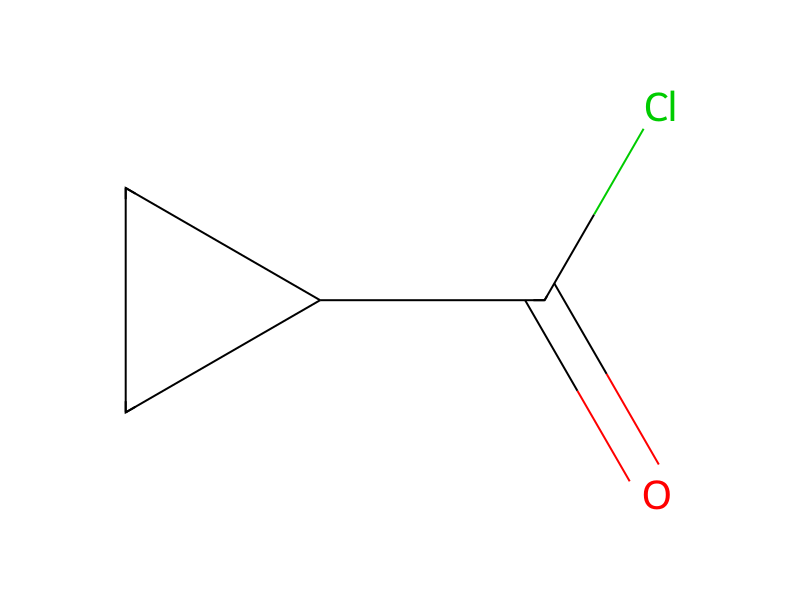
[CH:1]1([C:4](Cl)=[O:5])[CH2:3][CH2:2]1.[C:7]([O:11][C:12]([N:14]1[CH2:19][CH2:18][NH:17][CH2:16][CH2:15]1)=[O:13])([CH3:10])([CH3:9])[CH3:8].C(=O)([O-])[O-].[K+].[K+]>C(Cl)Cl>[CH:1]1([C:4]([N:17]2[CH2:16][CH2:15][N:14]([C:12]([O:11][C:7]([CH3:10])([CH3:9])[CH3:8])=[O:13])[CH2:19][CH2:18]2)=[O:5])[CH2:3][CH2:2]1Participants
5




Procedure
Cyclopropanoyl chloride (112 μL) was added to a mixture of N-tert-butoxycarbonylpiperazine (200 mg) and an excess of potassium carbonate in anhydrous DCM (10 mL) under a nitrogen atmosphere. The mixture was stirred at r.t. for 18 hours, then it was filtered off from inorganics. The organic phase was diluted with Et2O (20 mL) and washed with 1N hydrochloric acid solution (10 mL). The aqueous phase was made basic with 1N sodium hydroxide solution and extracted twice with DCM. The combined organic layers were dried and concentrated in vacuo to give the title compound (210 mg) as an oil.
Workup
- filtrationit was filtered off from inorganics
- additionThe organic phase was diluted with Et2O (20 mL)
- washwashed with 1N hydrochloric acid solution (10 mL)
- extractionextracted twice with DCM
- customThe combined organic layers were dried
- concentrationconcentrated in vacuo
Sources & evidence
- ORD record
- ord-7c10d017fdf64a6a9b37a3509fa8cbf8
- Source dataset
- uspto-grants-2010_01
- Patent number
- US07648990B2
Reaction notes
Loading…