Ammonium Chloride → HCID 59130984, compound
Reaction equation

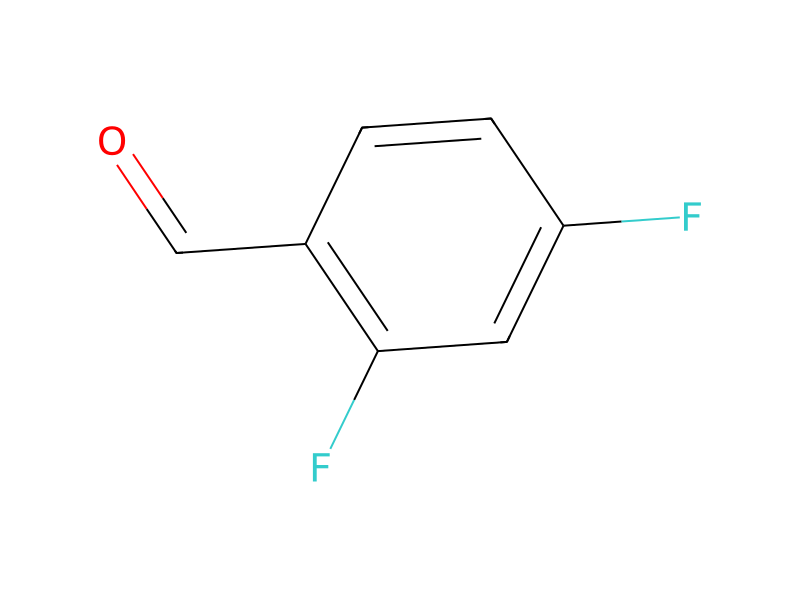
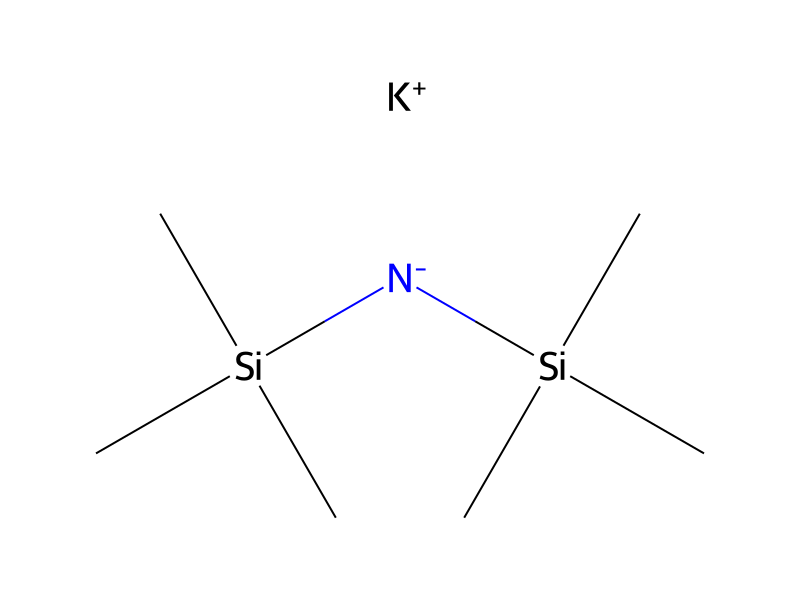
C1OCCOCCOCCOCCOCCOC1.[CH3:19][O:20][C:21]([CH2:23]P(=O)([O-])[O-])=[O:22].C[Si](C)(C)[N-][Si](C)(C)C.[K+].[F:38][C:39]1[CH:46]=[C:45]([F:47])[CH:44]=[CH:43][C:40]=1[CH:41]=O.[Cl-].[NH4+]>O1CCCC1>[F:38][C:39]1[CH:46]=[C:45]([F:47])[CH:44]=[CH:43][C:40]=1/[CH:41]=[CH:23]\[C:21]([O:20][CH3:19])=[O:22]Participants





Procedure
To a solution of 18-crown-6 (30 g, 110 mmol), bis(2,2,2-trifluororethyl) (methoxycarbonylmethyl)phosphonate (6 mL, 28 mmol) in tetrahydrofuran at −78° C. was added potassium hexamethyldisilazide (0.5M in toluene) (50 mL, 25 mmol) followed by 2,4-difluorobenzaldehyde (4 g, 28 mmol). The reaction mixture was stirred at this temperature for 8 hours and slowly warmed to room temperature over 24 hours. The reaction mixture was then poured into a saturated solution of ammonium chloride (200 mL). The phases were separated, the organic phase was dried over magnesium sulfate, filtered and concentrated in vacuo to give the crude residue. Purification of the residue by column chromatography using pentane:ethyl acetate (99:1-98:2) as eluent afforded the desired product as a colourless oil, 5.1 g (91%).
Workup
- customThe phases were separated
- dry with materialthe organic phase was dried over magnesium sulfate
- filtrationfiltered
- concentrationconcentrated in vacuo
- customto give the crude residue
- customPurification of the residue by column chromatography
Sources & evidence
- ORD record
- ord-9426bfc45f8c43658882808e87eb32e0
- Source dataset
- uspto-grants-2010_01
- Patent number
- US07649002B2
Reaction notes
Loading…