Benzyl Bromide → 3,4-Dibenzyloxy aniline
Reaction equation

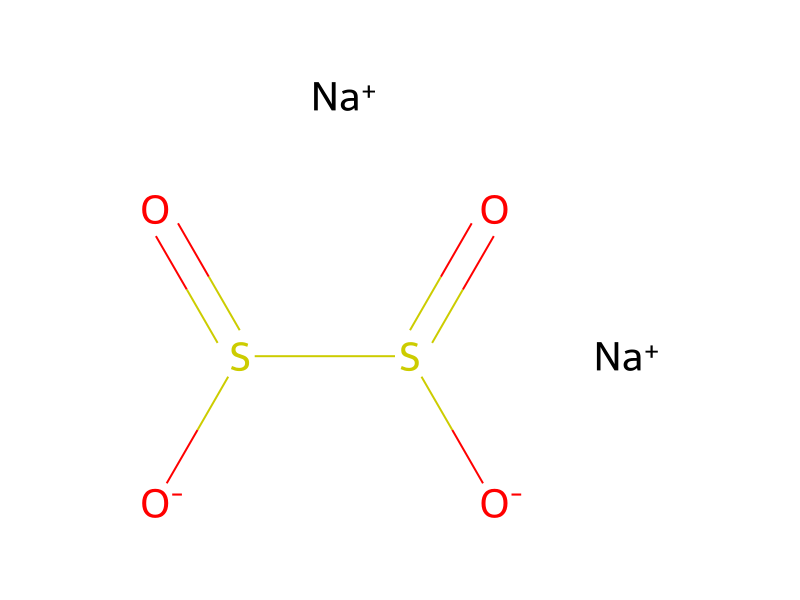
[OH:1][C:2]1[CH:3]=[C:4]([N+:9]([O-])=O)[CH:5]=[CH:6][C:7]=1O.[CH2:12](Br)[C:13]1[CH:18]=[CH:17][CH:16]=[CH:15][CH:14]=1.[C:20](=[O:23])([O-])[O-].[K+].[K+].S(S([O-])=O)([O-])=O.[Na+].[Na+]>CC(C)=O>[CH2:12]([O:1][C:2]1[CH:3]=[C:4]([CH:5]=[CH:6][C:7]=1[O:23][CH2:20][C:2]1[CH:3]=[CH:4][CH:5]=[CH:6][CH:7]=1)[NH2:9])[C:13]1[CH:18]=[CH:17][CH:16]=[CH:15][CH:14]=1Participants
6
Reactant 4



Product 1

Reagents, catalysts & solvents 1

Procedure
3,4-Dihydroxy-1-nitrobenzene was benzylated by refluxing with benzyl bromide with potassium carbonate as a base in acetone which on reduction with sodium dithionite gave 3,4-dibenzyloxy aniline. This was coupled to 2-oxo-2,3-dihydro-1H-benzoimidazole-5-carboxylic acid using N,N-1,3-diisopropylcarbodiimide in the presence of 1-hydroxybenzotriazole to provide the amide. The amide was then debenzylated by hydrogenation in presence of palladium on carbon.
Sources & evidence
- ORD record
- ord-ab73c4aa86be4961be3363f5a59ad991
- Source dataset
- uspto-grants-2010_06
- Patent number
- US07745490B2
Reaction notes
Loading…