Bromine → 4-Bromo-1-cyclopropyl-1H-pyrazole
Reaction equation

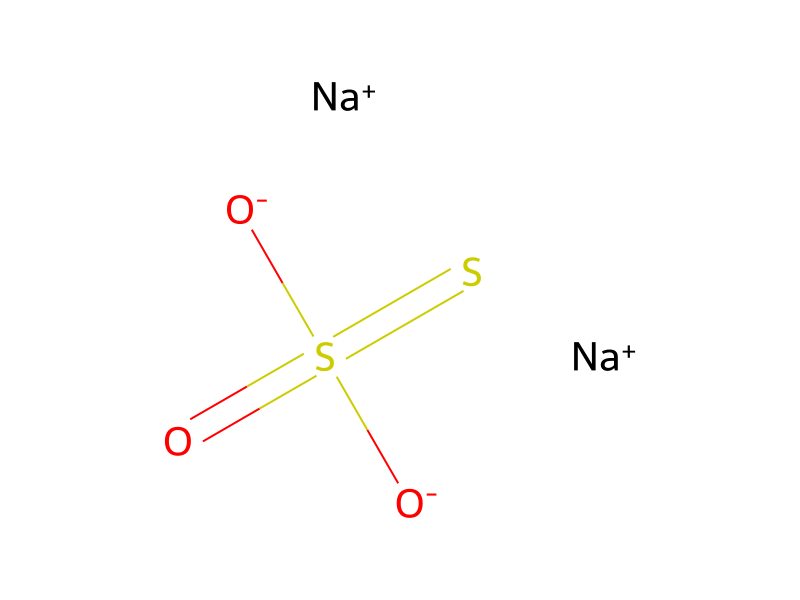
[CH:1]1([N:4]2[CH:8]=[CH:7][CH:6]=[N:5]2)[CH2:3][CH2:2]1.[Br:9]Br>C(Cl)(Cl)Cl.[O-]S([O-])(=S)=O.[Na+].[Na+].C([O-])(O)=O.[Na+]>[Br:9][C:7]1[CH:6]=[N:5][N:4]([CH:1]2[CH2:3][CH2:2]2)[CH:8]=1Participants
6
Reactant 2


Product 1

Reagents, catalysts & solvents 3


Procedure
To a solution of crude 1-cyclopropyl-1H-pyrazole (108 mg, 1.00 mmol) in CHCl3 (4 mL) at room temperature was added Br2 (51 uL, 1.0 mmol) via syringe. The orange solution was stirred for 1 h. The reaction was diluted with saturated aqueous Na2S2O3 (3 mL) and saturated aqueous NaHCO3 (3 mL). The mixture was extracted with CH2Cl2 (3×5 mL). The combined organic layers were dried over Na2SO4 and concentrated on a rotary evaporator without heating the sample to give 4-bromo-1-cyclopropyl-1H-pyrazole as a volatile, light yellow liquid that was used without further purification, m/z 187.3 [M+H]+.
Workup
- extractionThe mixture was extracted with CH2Cl2 (3×5 mL)
- dry with materialThe combined organic layers were dried over Na2SO4
- concentrationconcentrated on a rotary evaporator
- temperaturewithout heating the sample
Sources & evidence
- ORD record
- ord-9599b11d22624af2a8115d1937a23f83
- Source dataset
- uspto-grants-2013_11
- Patent number
- US08575360B2
Reaction notes
Loading…