Hydrochloric Acid → ethyl 2-phenyl-2H-tetrazole-5-carboxylate
Reaction equation

[C:1]([O:5][CH2:6][CH3:7])(=[O:4])[CH:2]=O.[NH2:8][C:9]1[CH:14]=[CH:13][CH:12]=[CH:11][CH:10]=1.Cl.[N+:16]([O-])([O-])=O.[Na+].C1([N+:27]#[N:28])C=CC=CC=1>C1(C)C=CC=CC=1.O.C(O)C>[C:9]1([N:8]2[N:28]=[N:27][C:2]([C:1]([O:5][CH2:6][CH3:7])=[O:4])=[N:16]2)[CH:14]=[CH:13][CH:12]=[CH:11][CH:10]=1Participants



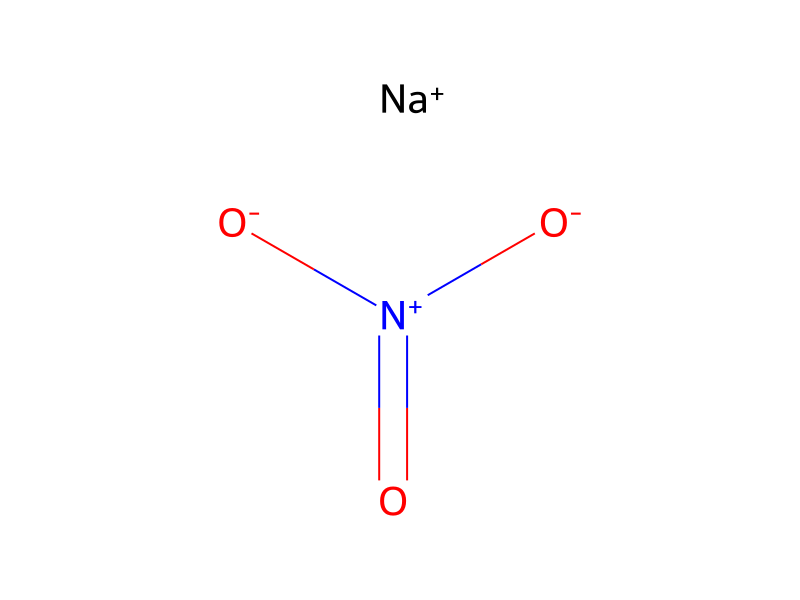
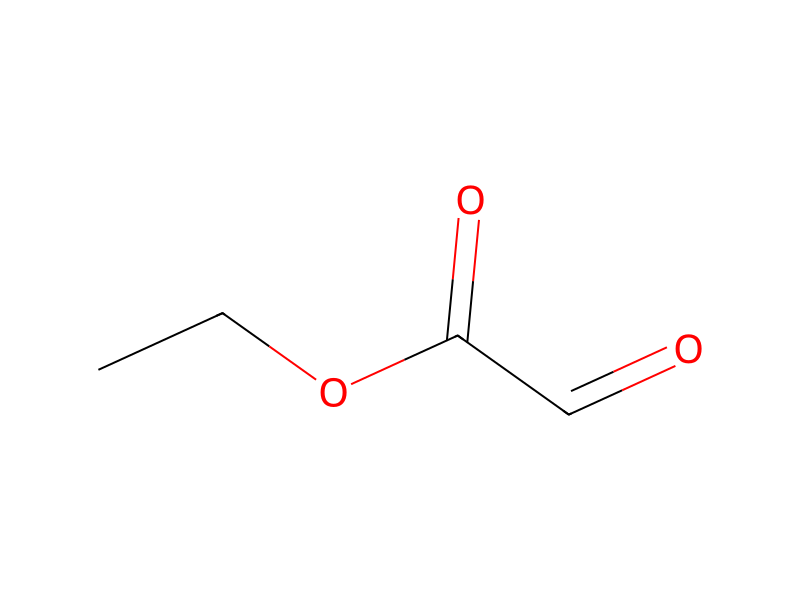




Procedure
To 0.8 mL ethyl glyoxylate in toluene (50%) was added 130 mL ethanol solution of sulfonyl hydrazide (0.69 g, 4.0 mmol). The resulting mixture was stirred for 1 hr at room temperature in an open flask before 130 mL of chilled distilled water was added. A white precipitate (sulfonylhydrazone) was generated, which was collected by filtration. The filtrate was subsequently dissolved in 50 ml pyridine to derive solution A. Separately, to a 10 mmol solution of aniline in a 1:1 mixture of ethanol and water (20 mL cooled to −5° C.) was added 3.0 mL of concentrated HCl. To the resulting acidic aniline solution, 4 mL solution of sodium nitrate (0.690 g, 10 mmol) was added drop-wise generating the phenyl-diazonium salt solution (solution B). Both solutions were cooled to −5° C. and solution B was added drop-wise to solution A over a period of 30 minutes. Following addition, the reaction mixture was allowed to warm up to room temperature over 45 min and subsequently extracted with ethyl acetate three times. The organic layer was subsequently washed with a 0.1 N HCl solution, dried over sodium sulfate, and concentrated. The crude mixture was purified via a silica gel chromatography using a stepwise gradient of ethyl acetate/hexane to afford ethyl 2-phenyl-2H-tetrazole-5-carboxylate as a pink-purple powder. Following purification, sodium hydroxide (7.5 mmol; 0.6 g dissolved in 2 mL of water) was added to a 50 mL solution of ethyl 2-phenyl-2H-tetrazole-5-carboxylate in ethanol. The reaction mixture was refluxed overnight and allowed to cool to −5° C. The mixture was acidified with 1.2 mL of dilute HCl solution. The resulting solution was extracted five times with ethyl acetate to yield the titled compound (0.37 g, 49%): 1H NMR (500 MHz, CDCl3) δ 8.24 (d, J=7.5 Hz, 2H) 7.60 (m, 3H); 13C NMR (75.4 MHz, CDCl3) δ 158.6, 158.3, 135.9, 130.7, 130.2, 120.3; HRMS (EI) calcd for C8H6N2O2 162.0424 [M−N2]+, found 162.0423.
Workup
- temperatureof chilled
- distillationdistilled water
- additionwas added
- filtrationwhich was collected by filtration
- dissolutionThe filtrate was subsequently dissolved in 50 ml pyridine
- temperatureBoth solutions were cooled to −5° C.
- additionaddition
- temperatureto warm up to room temperature over 45 min
- extractionsubsequently extracted with ethyl acetate three times
- washThe organic layer was subsequently washed with a 0.1 N HCl solution
- dry with materialdried over sodium sulfate
- concentrationconcentrated
- customThe crude mixture was purified via a silica gel chromatography
Sources & evidence
- ORD record
- ord-db7e28c97b2c484e9c9b11f6d01032be
- Source dataset
- uspto-grants-2013_11
- Patent number
- US08586707B2
Reaction notes
Loading…