Hydrochloric Acid → Methyl 2-(3-amino-4-chlorophenyl)-3,3-dimethyl-1,2,3,4-tetrahydroquinoline-6-carboxylate
Reaction equation

[Cl:1][C:2]1[CH:7]=[CH:6][C:5]([CH:8]2[C:17]([CH3:19])([CH3:18])[CH2:16][C:15]3[C:10](=[CH:11][CH:12]=[C:13]([C:20]([O:22][CH3:23])=[O:21])[CH:14]=3)[NH:9]2)=[CH:4][C:3]=1[N+:24]([O-])=O.Cl>C(O)C.O.[Fe]>[NH2:24][C:3]1[CH:4]=[C:5]([CH:8]2[C:17]([CH3:18])([CH3:19])[CH2:16][C:15]3[C:10](=[CH:11][CH:12]=[C:13]([C:20]([O:22][CH3:23])=[O:21])[CH:14]=3)[NH:9]2)[CH:6]=[CH:7][C:2]=1[Cl:1]Participants
5
Reactant 2


Product 1

Reagents, catalysts & solvents 2

Procedure
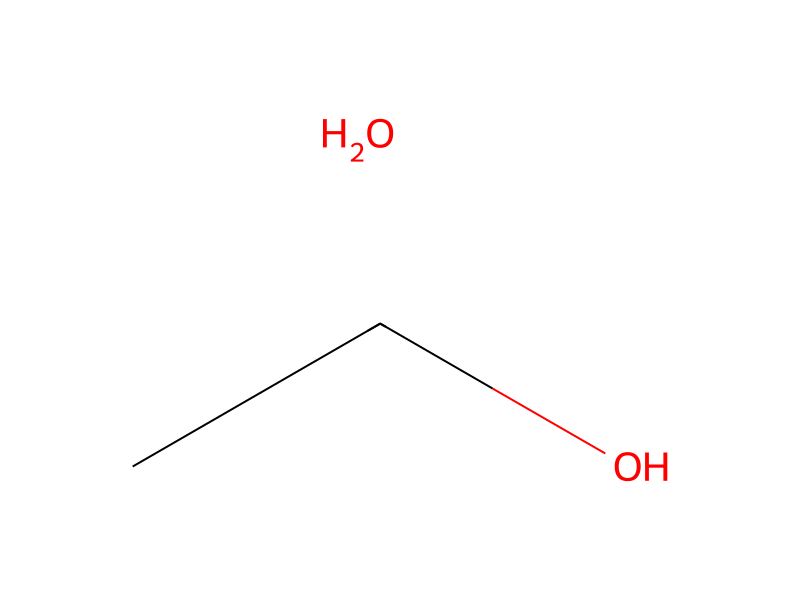
To a solution of methyl 2-(4-chloro-3-nitrophenyl)-3,3-dimethyl-1,2,3,4-tetrahydroquinoline-6-carboxylate (2.82 g, 7.53 mmol) in ethanol/water (30 mL/7.5 mL) was added 0.5 mL of concentrated hydrochloric acid solution and iron powder (4.21 g, 75.3 mmol). The resultant mixture was stirred and heated to reflux for 4 h. LC-MS showed the reaction was complete. The reaction mixture was cooled to room temperature and filtered. The filtrate was evaporated and the residue was purified by column chromatography on silica gel to afford 400 mg of methyl 2-(3-amino-4-chlorophenyl)-3,3-dimethyl-1,2,3,4-tetrahydroquinoline-6-carboxylate as a solid. Yield: 15%.
Workup
- temperatureheated
- temperatureto reflux for 4 h
- filtrationfiltered
- customThe filtrate was evaporated
- customthe residue was purified by column chromatography on silica gel
Sources & evidence
- ORD record
- ord-2fe5ed1aafbb413494dc8793de451842
- Source dataset
- uspto-grants-2013_11
- Patent number
- US08586747B2
Reaction notes
Loading…