Sodium Bromide → 2,6-Dichloro-3-fluorobenzaldehyde
Reaction equation

[Cl:1][C:2]1[C:7]([F:8])=[CH:6][CH:5]=[C:4]([Cl:9])[C:3]=1[CH2:10][OH:11].[Br-].[Na+].CC1(C)N([O])C(C)(C)CCC1.Cl[O-].[Na+].C(=O)(O)[O-].[Na+]>ClCCl>[Cl:1][C:2]1[C:7]([F:8])=[CH:6][CH:5]=[C:4]([Cl:9])[C:3]=1[CH:10]=[O:11]Participants





Conditions
- Temperature
- -7 °C
Procedure
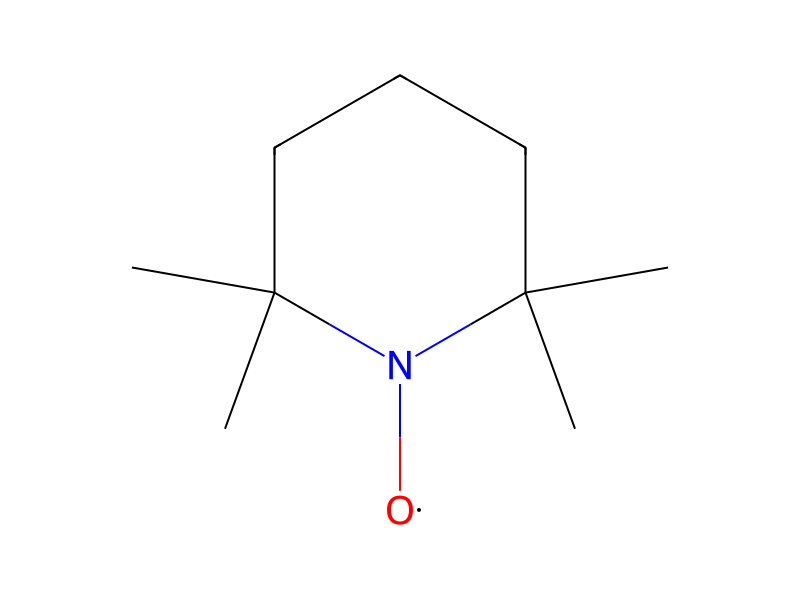
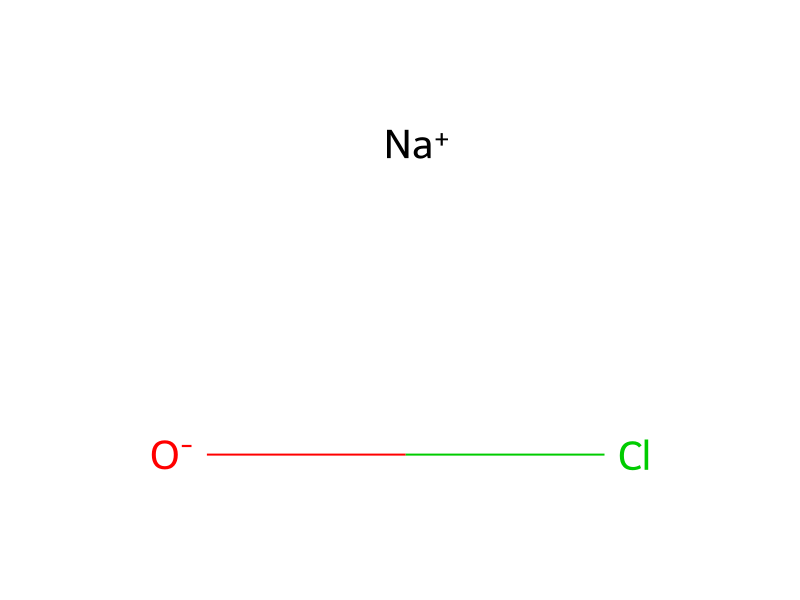
To a solution of (2,6-Dichloro-3-fluorophenyl)methanol (100 g, 0.51 mol) in dichloromethane (450 mL) was added a solution of sodium bromide (54 g, 0.53 mol, in 90 mL water). The rapidly stirred biphasic mixture was cooled to −7° C. and TEMPO (1.54 g, 0.0100 mol) was added. A solution of 0.81M sodium hypochlorite (823 mL, 0.66 mol) saturated with sodium bicarbonate (75 g) was added dropwise over a period of 1 h while maintaining the temperature below −2° C. After the addition the reaction mixture was stirred for 30 min. The two layers separated and the DCM layer was washed with aq. solution of sodium thiosulfate. The DCM layer was dried (Na2SO4) and concentrated on rotary evaporator without using vacuum (aldehyde is volatile) to give the title compound as a solid, mp. 63-65° C. 1H NMR (CDCl3, 300 MHz): δ=7.23 (dd, 1H, J=7.8, 9.0 Hz), 7.35 (dd, 1H, J=4.5, 9.3 Hz), 10.2 (s, 1H).
Workup
- temperaturewhile maintaining the temperature below −2° C
- additionAfter the addition the reaction mixture
- customThe two layers separated
- washthe DCM layer was washed with aq. solution of sodium thiosulfate
- dry with materialThe DCM layer was dried (Na2SO4)
- concentrationconcentrated on rotary evaporator
Sources & evidence
- ORD record
- ord-c726c3fe37a0491eb1616882804c3306
- Source dataset
- uspto-grants-2013_11
- Patent number
- US08592448B2
Reaction notes
Loading…