Ethyl Acetate → 5-Bromo-2,4-dichloro-7H-pyrrolo[2,3-d]pyrimidine
Reaction equation

[Cl:1][C:2]1[N:3]=[C:4]([Cl:11])[C:5]2[CH:10]=[CH:9][NH:8][C:6]=2[N:7]=1.[Br:12]Br.CCOC(C)=O.[O-]S([O-])=O.[Na+].[Na+]>O1CCOCC1>[Br:12][C:10]1[C:5]2[C:4]([Cl:11])=[N:3][C:2]([Cl:1])=[N:7][C:6]=2[NH:8][CH:9]=1Participants
6


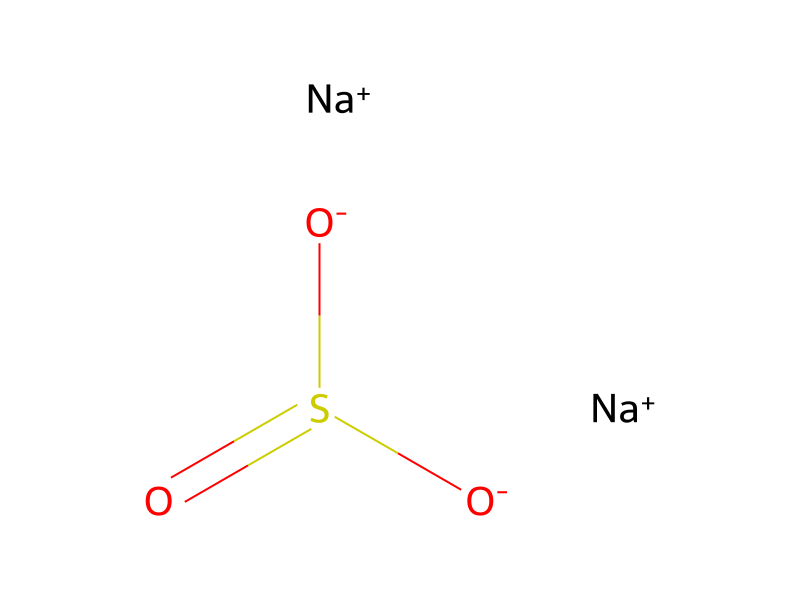



Conditions
- Temperature
- 0 °C
Procedure
To 935 mg 2,4-dichloro-7H-pyrrolo[2,3-d]pyrimidine (3a) (5.0 mmol) in 100 mL of 1,4-dioxane was slowly added 256 μL of Br2 (5.0 mmol) at 0° C. over a period of 10 minutes. After stirring for 30 minutes at 0° C., the reaction mixture was poured into a mixture of 150 mL of EtOAc and 150 mL of saturated aqueous Na2SO3 then filtered through celite. The aqueous phase was extracted with EtOAc (3×100 mL) and combined organic layers were washed with brine, concentrated and purified by flash column chromatography to give the title compound.
Workup
- customat 0° C.
- customof 10 minutes
- filtrationthen filtered through celite
- extractionThe aqueous phase was extracted with EtOAc (3×100 mL)
- washwere washed with brine
- concentrationconcentrated
- custompurified by flash column chromatography
Sources & evidence
- ORD record
- ord-b83c6fe820a742e9850de173c7b4e46a
- Source dataset
- uspto-grants-2013_11
- Patent number
- US08592432B2
Reaction notes
Loading…