Acetone → Anthrone
Reaction equation

[H][H].C(O[C:6](=[O:8])[CH3:7])C.C(Cl)(Cl)Cl.[CH3:13][C:14]([CH3:16])=O.N1[CH:22]=[CH:21][CH:20]=[CH:19][CH:18]=1>O.CS(C)=O.CO.C(O)C>[CH:13]1[C:7]2[C:6](=[O:8])[C:22]3[C:21](=[CH:18][CH:19]=[CH:20][CH:21]=3)[CH2:20][C:19]=2[CH:18]=[CH:16][CH:14]=1Participants





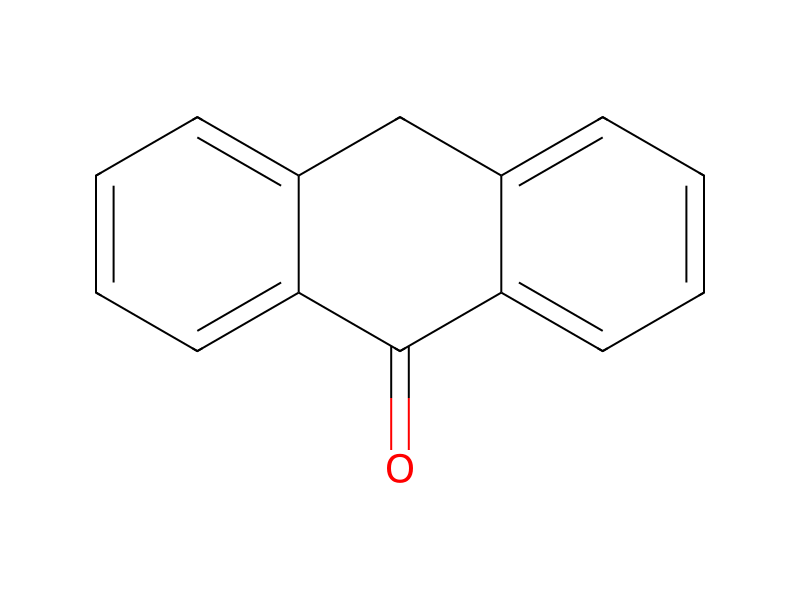




Procedure
An amylase inhibitor, TAI-B; being a white amorphous powder; having a decomposition point at 169°-174° C.; containing carbon, hydrogen and nitrogen with the analytical values (%) of C: 42.20, H: 6.47, N: 2.08; having an optical rotatory value of [α]D20 =+142°(c=0.5%, water); having a pKa value of 4.5 (in water); being of molecular weight 650-700 as determined; being soluble in water and dimethylsulfoxide, slightly soluble in methanol and pyridine, and insoluble in ethanol, ethylacetate, chloroform or acetone; having the infrared absorption spectrum shown in FIG. 2; having the nuclear magnetic resonance spectrum shown in FIG. 4; giving positive reactions with Molisch and anthrone; its acid hydrolyzate giving a positive reaction with ninhydrin; and showing the Rf values on thin layer chromatography and paper chromatography as follows:
Workup
- customat 169°-174° C.
- customthe infrared absorption spectrum
Sources & evidence
- ORD record
- ord-33b4495bca9446ac8ace4d13e658d348
- Source dataset
- uspto-grants-1980_04
- Patent number
- US04197292
Reaction notes
Loading…