Methyl Chloride → HCID 2912688, compound
Reaction equation

[CH3:1][C:2]1([CH3:14])[CH:11]=[C:10]([CH3:12])[C:9]2[C:4](=[CH:5][CH:6]=[C:7]([CH3:13])[CH:8]=2)[NH:3]1.[C:15](Cl)(=[O:19])[C:16](Cl)=[O:17].CCl>C(Cl)Cl>[CH3:1][C:2]1([CH3:14])[CH:11]=[C:10]([CH3:12])[C:9]2[C:4]3=[C:5]([C:15](=[O:19])[C:16](=[O:17])[N:3]13)[CH:6]=[C:7]([CH3:13])[CH:8]=2Participants
5
Reactant 3
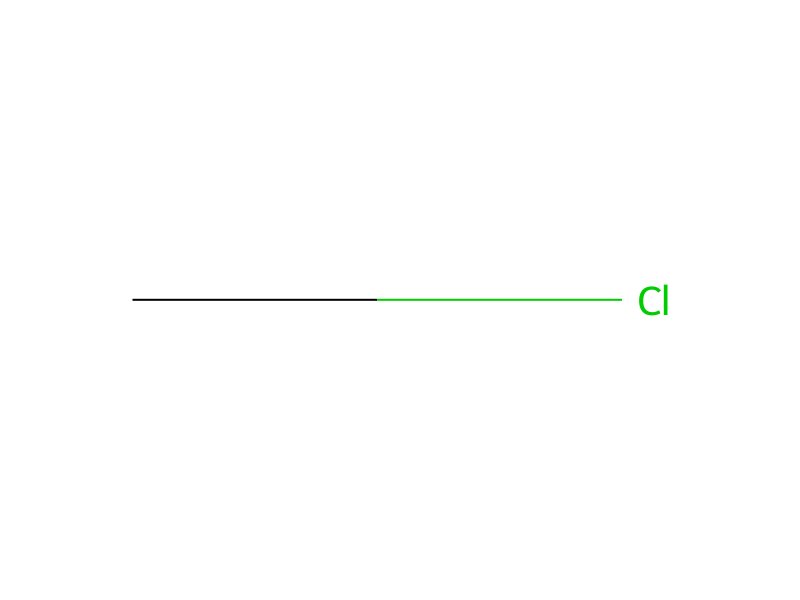


Product 1

Reagents, catalysts & solvents 1

Procedure
1,2-Dihydro-2,2,4,6-tetramethylquinoline (16.7 g., 0.09 mole) in 50 ml. dry methylene chloride was added slowly dropwise with stirring to oxalyl chloride (12.6 g., 0.1 mole) in 150 ml. dry methyl chloride under nitrogen at 30° C. Addition required 20 min., and when complete the very dark solution was stirred 15 min. at ambient temperature and one hour at a gentle reflux. The solvent was removed at reduced pressure and the dark red residue crystallized from methanol to yield a solid melting at 157°-161° C. Two additional recrystallizations from 25% chloroform in ligroine (60°-110° C.) gave a deep red crystalline solid melting at 163.5°-165.5° C. The yield was 44%.
Workup
- customat 30° C
- additionAddition required 20 min., and when complete the very dark solution
- customThe solvent was removed at reduced pressure
- customthe dark red residue crystallized from methanol
Sources & evidence
- ORD record
- ord-7f39d7b05ac34462b8dbbd61f7242e4f
- Source dataset
- uspto-grants-1980_04
- Patent number
- US04198414
Reaction notes
Loading…