Triethylamine → HCID 21282817, compound
Reaction equation

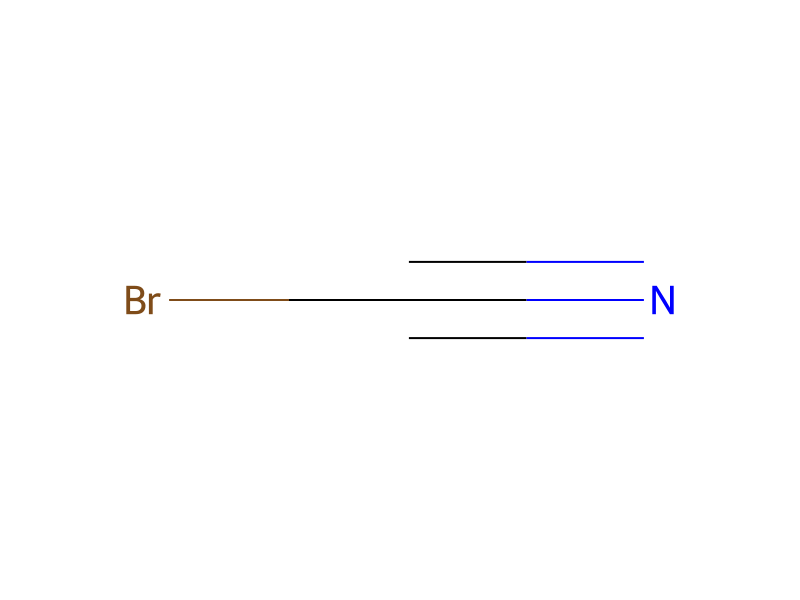
[N:1]#[C:2]Br.[Cl:4][C:5]1[C:14]2[NH:13][S:12](=[O:16])(=[O:15])[N:11]([CH:17]([CH3:19])[CH3:18])[C:10](=[O:20])[C:9]=2[CH:8]=[CH:7][CH:6]=1.C(N(CC)CC)C>ClCCCl>[Cl:4][C:5]1[C:14]2[N:13]([C:2]#[N:1])[S:12](=[O:16])(=[O:15])[N:11]([CH:17]([CH3:18])[CH3:19])[C:10](=[O:20])[C:9]=2[CH:8]=[CH:7][CH:6]=1Participants
5
Reactant 3


Product 1

Reagents, catalysts & solvents 1

Conditions
- Temperature
- 20 °C
Procedure
127 parts of cyanogen bromide are added to 274.5 parts of 8-chloro-3-isopropyl-2,1,3-benzothiadiazin-4-one-2,2-dioxide dissolved in 1,500 parts of 1,2-dichloroethane at 5°-10° C. and 121 parts of triethylamine are then added dropwise at the same temperature. The reaction mixture is then stirred for 48 hours at room temperature (20° C.), after which it is washed twice with water and three times with normal aqueous sodium hydroxide solution and dried, and the solvent is evaporated off under reduced pressure. The residue is recrystallized twice from isopropanol and gives 90 parts of 8-chloro-1-cyano-3-isopropyl-2,1,3-benzothiadiazin-4-one-2,2-dioxide of melting point 123°-124° C.
Workup
- washafter which it is washed twice with water and three times with normal aqueous sodium hydroxide solution
- customdried
- customthe solvent is evaporated off under reduced pressure
- customThe residue is recrystallized twice from isopropanol
Sources & evidence
- ORD record
- ord-e61a9d307f4344b98cde5e6fca4ad106
- Source dataset
- uspto-grants-1980_04
- Patent number
- US04200743
Reaction notes
Loading…