3-Chloro-1,2-propanediol → N′-(2-Chloroethyl)-N-(2,3-dihydroxypropyl)-N-propylurea
Reaction equation

ClCC(O)CO.C(N)CC.Cl.[CH2:12]([NH:15][CH2:16][CH:17]([OH:20])[CH2:18][OH:19])[CH2:13][CH3:14].[Cl:21][CH2:22][CH2:23][N:24]=[C:25]=[O:26]>CO.C(N(CC)CC)C>[Cl:21][CH2:22][CH2:23][NH:24][C:25]([N:15]([CH2:12][CH2:13][CH3:14])[CH2:16][CH:17]([OH:20])[CH2:18][OH:19])=[O:26]Participants
7
Reactant 4

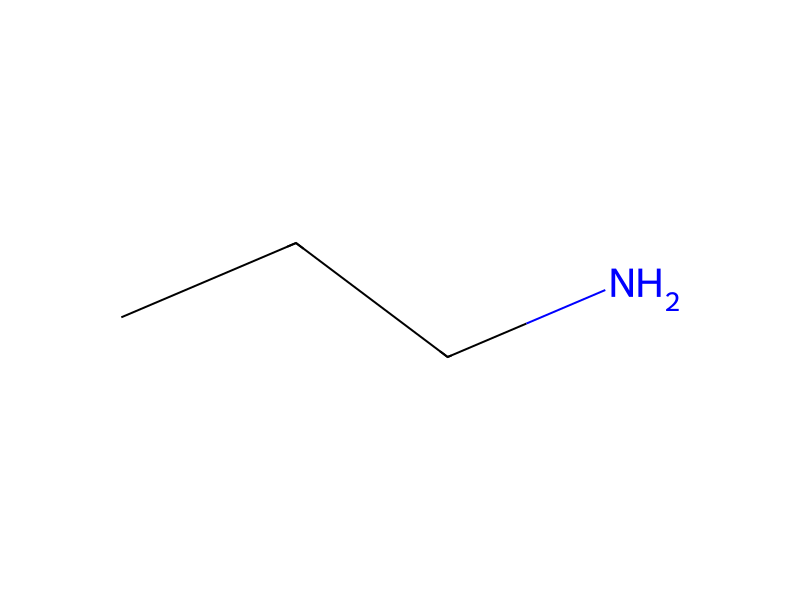


Product 1

Reagents, catalysts & solvents 2


Procedure
A mixture of 3.3 g of 3-chloro-1,2-dihydroxy-n-propane and 8 g of n-propylamine is allowed to stand at room temperature for 5 days. The reaction mixture is condensed to dryness under reduced pressure, whereby 5.0 g of N-n-propyl-2,3-dihydroxy-n-propylamine hydrochloride are obtained as a crude product. 5.0 g of said crude product and 3 g of triethylamine are dissolved in 40 ml of methanol. 3.2 g of 2-chloroethyl isocyanate are added to the solution at 0° to 5° C. Then, the reaction mixture is treated in the same manner as described in Example 62-(1). 3.0 g of 1-(2-chloroethyl)-3-n-propyl-3-(2,3-dihydroxy-n-propyl)urea are obtained as a colorless oil.
Workup
- customare obtained as a crude product
- additionThen, the reaction mixture is treated in the same manner
Sources & evidence
- ORD record
- ord-15cf632e75f04b50a616a8c4734b0513
- Source dataset
- uspto-grants-1980_01
- Patent number
- US04182757
Reaction notes
Loading…