Acetate → D-Glucosone
Reaction equation

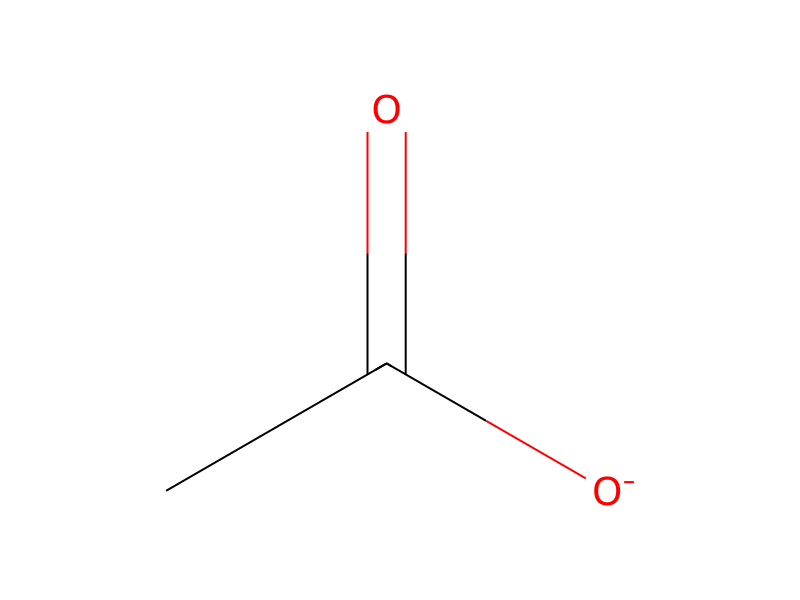
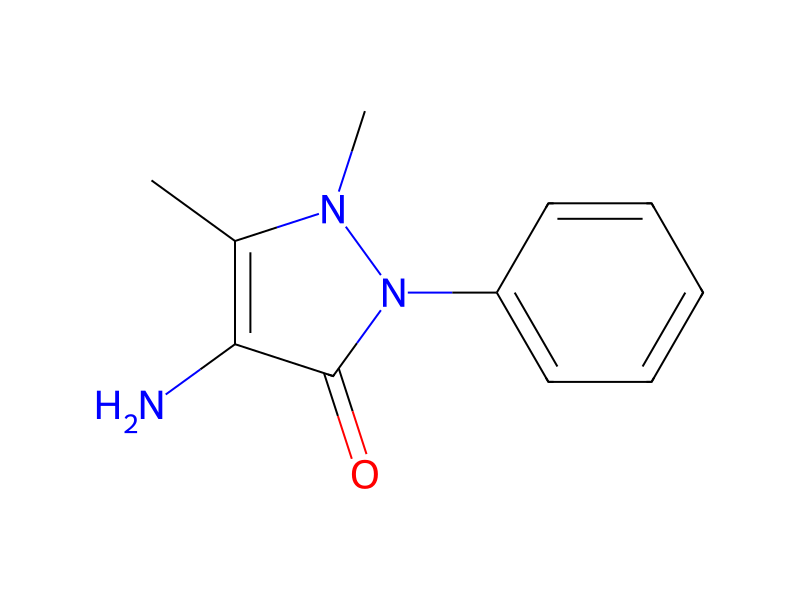
C([O-])(=O)C.[O:5]=[CH:6][C@@H:7]([C@H:9]([C@@H:11]([C@@H:13]([CH2:15][OH:16])[OH:14])[OH:12])[OH:10])[OH:8].CC1N(C)N(C2C=CC=CC=2)C(=O)C=1N.CCN(C1C=C(C)C=CC=1)CC(O)CS([O-])(=O)=O.[Na+]>[N-]=[N+]=[N-].[Na+]>[CH2:15]([OH:16])[C@@H:13]([OH:14])[C@@H:11]([OH:12])[C@H:9]([OH:10])[C:7]([CH:6]=[O:5])=[O:8]Participants




Conditions
- Temperature
- 37 °C
Procedure
To the above reaction mixture, a mixture which has been prepared in advance by mixing 200 mM acetate buffer (pH 6.0) (750 μL), 4000-u/mL glucose oxidase (Toyobo Co., Ltd.) (450 μL), 0.15% 4-aminoantipyrine (300 μL), 0.3% TOOS (Dojindo Laboratories) (300 μL), 500-u/mL peroxidase (Toyobo Co., Ltd.: Type III) (300 μL), and 1% sodium azide (300 μL) is added, followed by heating for 10 minutes at 37° C. Thereafter, absorbance is measured at 550 nm. A control system is prepared by repeating the above procedure, except that purified water is added instead of the substrate. The amount of glucosone is obtained from the amount of the dye produced. Specifically, a calibration curve is prepared by repeating the above-described procedure, except that serially diluted glucose is employed as a substrate, and purified water is employed instead of the enzyme solution of the present invention. Thus, the amount (in micromoles) of glucosone produced in one minute is calculated, and the obtained value is used as the activity unit of the enzyme solution.
Workup
- customTo the above reaction mixture, a mixture which has been prepared in advance
- additionis added
- customA control system is prepared
- customexcept that purified water
- additionis added instead of the substrate
Sources & evidence
- ORD record
- ord-14c8653bfa35419c89244efdde5af8f4
- Source dataset
- uspto-grants-2008_02
- Patent number
- US07329520B2
Reaction notes
Loading…