Indole → Aldisine
Reaction equation

[N].[NH:2]1[C:10]2[C:5](=CC=C[CH:9]=2)[CH:4]=[CH:3]1.CI.[C:13]([O-:16])([O-])=O.[K+].[K+].C[N:20]1C2C(=CC=CC=2)[CH:22]=[CH:21]1.N1C2C(=CC=CC=2)C=C1.[O:38]=P12OP3(OP(OP(O3)(O1)=O)(=O)O2)=O.CS(O)(=O)=O>>[CH2:22]1[C:13](=[O:16])[C:5]2[CH:4]=[CH:3][NH:2][C:10]=2[C:9](=[O:38])[NH:20][CH2:21]1Participants
7





Procedure
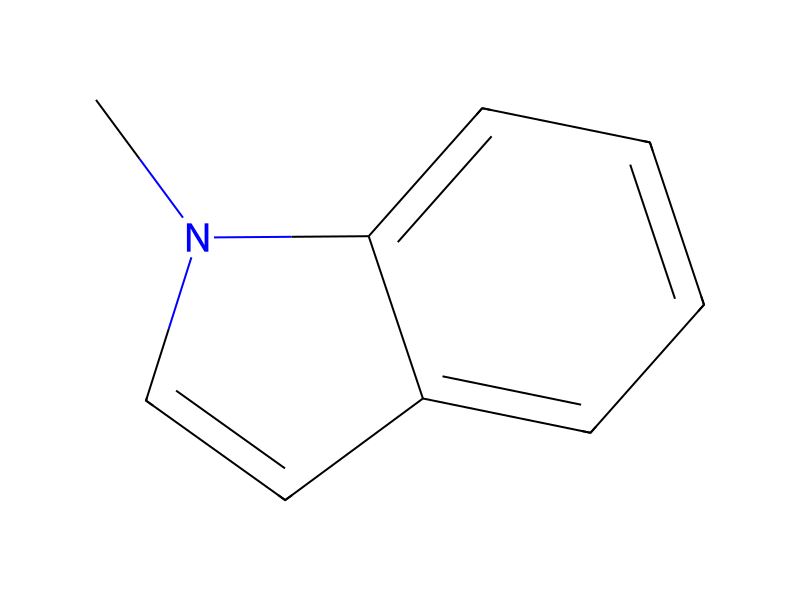
Starting with the commercially available 2-indolecarboxylic acid, condensation with the ethyl ester of β-alanine in the presence of EDCI and DMAP, provided the indole 4. Methylation of the indole nitrogen with MeI and K2CO3 proceeded in near quantitative yields, rendering the N-methyl indole, which was used for the synthesis of 3. Hydrolysis of esters 4 and 5 followed by the P2O5/MeSO3H mediated cyclization provided the key intermediate aldisine derivatives 8 and 9.
Workup
- customwas used for the synthesis of 3
Sources & evidence
- ORD record
- ord-c7f920aed2124f51965f63667312600a
- Source dataset
- uspto-grants-2008_02
- Patent number
- US07335769B2
Reaction notes
Loading…