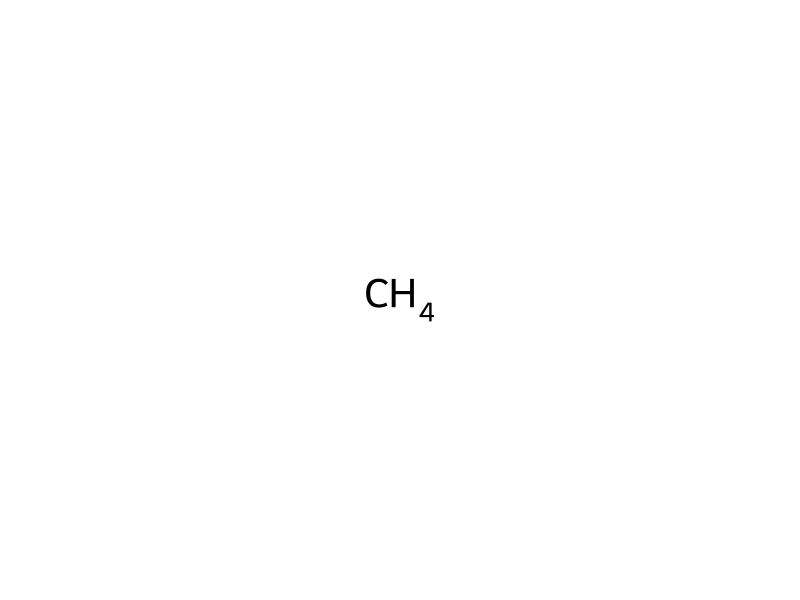
Methane → HCID 12926640, compound
Reaction equation

[OH-].[K+].C.Cl.Cl.[OH:6][CH:7]([CH2:20][NH:21][C:22]([CH3:25])([CH3:24])[CH3:23])[CH2:8][O:9][C:10]1[C:18]2[NH:17][C:16](=[S:19])[NH:15][C:14]=2[CH:13]=[CH:12][CH:11]=1>C(O)(=O)C.O.C(=S)=S.C(O)C>[OH:6][CH:7]([CH2:20][NH:21][C:22]([CH3:25])([CH3:24])[CH3:23])[CH2:8][O:9][C:10]1[C:18]2[NH:17][C:16](=[S:19])[NH:15][C:14]=2[CH:13]=[CH:12][CH:11]=1Participants








Procedure
7.2 g. 2,3-Diamino-1-(2-hydroxy-3-tert.-butylaminoproxy)-benzene (see German Patent Specification No. 2,432,269) are dissolved in 20 ml. ethanol and mixed with 1.26 g. potassium hydroxide, 1.73 g. carbon disulphide and 2.9 ml. water. The reaction mixture is boiled under reflux for 3 hours. After clarification with active charcoal, the solution is mixed at 70° C. with 1.6 ml. glacial acetic acid in 23 ml. water and then evaporated to dryness. After crystallisation of the evaporation residue from ethanol, there are obtained 2.4 g. (40% of theory) of free base with a melting point of 214°-216° C. which is converted in ethanolic solution with ethereal hydrochloric acid into the corresponding 4-(2-hydroxy-3-tert-butylaminopropoxy)-2-benzimidazoline-thione hydrochloride; m.p. 288°-289° C.
Workup
- temperatureunder reflux for 3 hours
- customwater and then evaporated to dryness
- customAfter crystallisation of the evaporation residue from ethanol, there
- customare obtained 2.4 g
Sources & evidence
- ORD record
- ord-62988e1c5a7244e4a02c00090b93abdb
- Source dataset
- uspto-grants-1980_07
- Patent number
- US04215134
Reaction notes
Loading…