Dimethyl Sulfate → Cyclododecane, (2-methoxyethoxy)-
Reaction equation

[NH2-].[Na+].[OH:3][CH2:4][CH2:5][O:6][CH:7]1[CH2:18][CH2:17][CH2:16][CH2:15][CH2:14][CH2:13][CH2:12][CH2:11][CH2:10][CH2:9][CH2:8]1.S(OC)(O[CH3:23])(=O)=O.[OH-].[Na+]>C1(C)C(C)=CC=CC=1>[CH3:23][O:3][CH2:4][CH2:5][O:6][CH:7]1[CH2:18][CH2:17][CH2:16][CH2:15][CH2:14][CH2:13][CH2:12][CH2:11][CH2:10][CH2:9][CH2:8]1Participants
6
Reactant 4


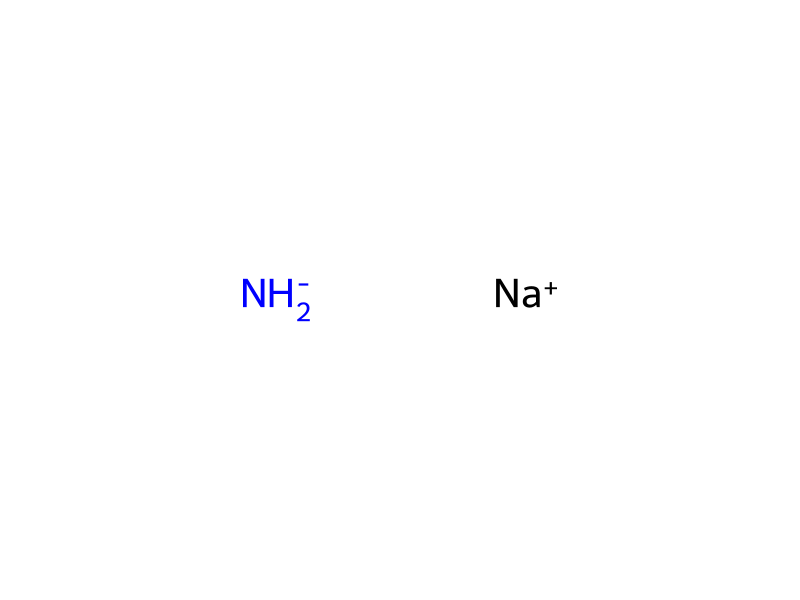

Product 1

Reagents, catalysts & solvents 1

Procedure
25 g of sodium amide was introduced into 150 ml of xylene and heated to boiling under agitation. Within one hour, 114 g (0.5 mol) of 2-hydroxyethyl-cyclododecyl-ether, dissolved in 750 ml of xylene, was allowed to drip into the boiling suspension. To complete the alcoholate formation, the mixture was heated under reflux for another two hours. Thereafter 44 g (0.35 mol) of dimethyl sulfate was added dropwise and the reaction mixture heated under reflux for another four hours. Then, the reaction mixture was poured into a mixture of ice and 35 g of sodium hydroxide. The organic phase was washed with water, dried over Na2SO4, and then fractionated.
Workup
- temperatureheated
- temperaturethe mixture was heated
- temperatureunder reflux for another two hours
- temperaturethe reaction mixture heated
- temperatureunder reflux for another four hours
- washThe organic phase was washed with water
- dry with materialdried over Na2SO4
Sources & evidence
- ORD record
- ord-b69bdbfd23cd42ecaf9a241fd5a20f98
- Source dataset
- uspto-grants-1982_03
- Patent number
- US04317942
Reaction notes
Loading…