Potassium Iodide → 3-Hydroxypropyl 4-methylbenzenesulfonate
Reaction equation

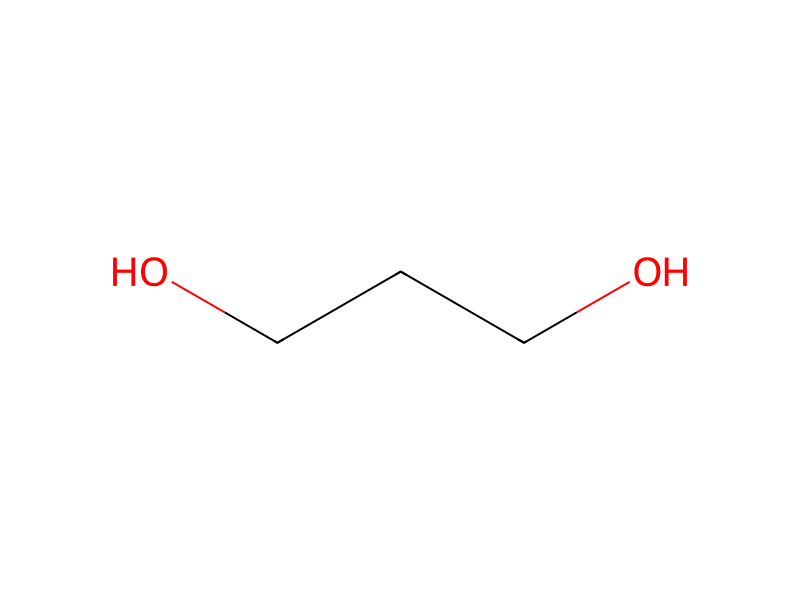
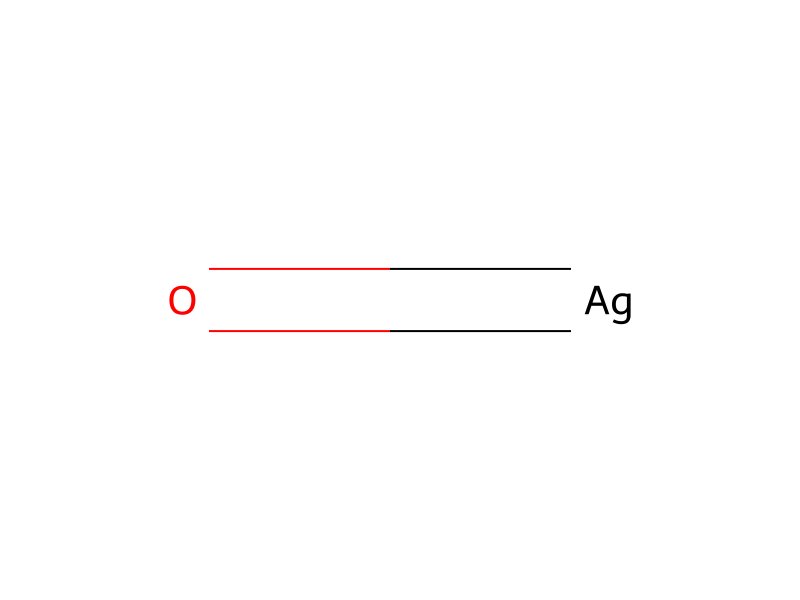
[CH2:1]([OH:5])[CH2:2][CH2:3][OH:4].[I-].[K+].[C:8]1([CH3:18])[CH:13]=[CH:12][C:11]([S:14](Cl)(=[O:16])=[O:15])=[CH:10][CH:9]=1>C(Cl)Cl.[Ag]=O>[C:8]1([CH3:18])[CH:13]=[CH:12][C:11]([S:14]([O:4][CH2:3][CH2:2][CH2:1][OH:5])(=[O:16])=[O:15])=[CH:10][CH:9]=1Participants




Procedure
1.45 mL (corresponding to 20.0 mmol) of 1,3-propanediol was dissolved in 200 mL of methylene chloride. To this solution under an ice bath, 6.96 g (corresponding to 30.0 mmol) of silver oxide, 666 mg (corresponding to 4.0 mmol) of potassium iodide and 4.21 g (corresponding to 22.0 mmol) of p-toluenesulfonyl chloride were added. The resulting mixture was stirred at room temperature for 3 hours. Insoluble matters were filtered out of the reaction mixture, and were washed with ethyl acetate. The washings were combined with the filtrate, and the mixture was concentrated. The resulting crude product was purified with flash silica gel column chromatography (elution solvent: hexane/ethyl acetate=3/2 to 1/1) to obtain 2.47 g (corresponding to 10.7 mmol) of 1,3-propanediol mono-p-toluenesulfonate (FIG. 1, Step 6).
Workup
- filtrationInsoluble matters were filtered out of the reaction mixture
- washwere washed with ethyl acetate
- concentrationthe mixture was concentrated
- customThe resulting crude product was purified with flash silica gel column chromatography (elution solvent: hexane/ethyl acetate=3/2 to 1/1)
Sources & evidence
- ORD record
- ord-c4118500adee4f2098228f0201e4ab83
- Source dataset
- uspto-grants-2012_10
- Patent number
- US08277777B2
Reaction notes
Loading…