Hydrochloric Acid → HCID 178495116, compound
Reaction equation

[BH4-].[Li+].[F:3][C:4]1[CH:9]=[C:8]([F:10])[CH:7]=[CH:6][C:5]=1[C:11]1[NH:15][C:14]([C:16]([CH3:22])([CH3:21])[C:17](OC)=[O:18])=[N:13][C:12]=1[C:23]1[N:28]=[C:27]2[O:29][C:30]([NH:32][C@@H:33]([CH3:38])[CH2:34][CH2:35][O:36][CH3:37])=[N:31][C:26]2=[CH:25][CH:24]=1.Cl>CC1CCCO1>[F:3][C:4]1[CH:9]=[C:8]([F:10])[CH:7]=[CH:6][C:5]=1[C:11]1[NH:15][C:14]([C:16]([CH3:22])([CH3:21])[CH2:17][OH:18])=[N:13][C:12]=1[C:23]1[N:28]=[C:27]2[O:29][C:30]([NH:32][C@@H:33]([CH3:38])[CH2:34][CH2:35][O:36][CH3:37])=[N:31][C:26]2=[CH:25][CH:24]=1Participants
Reactant 3



Product 1

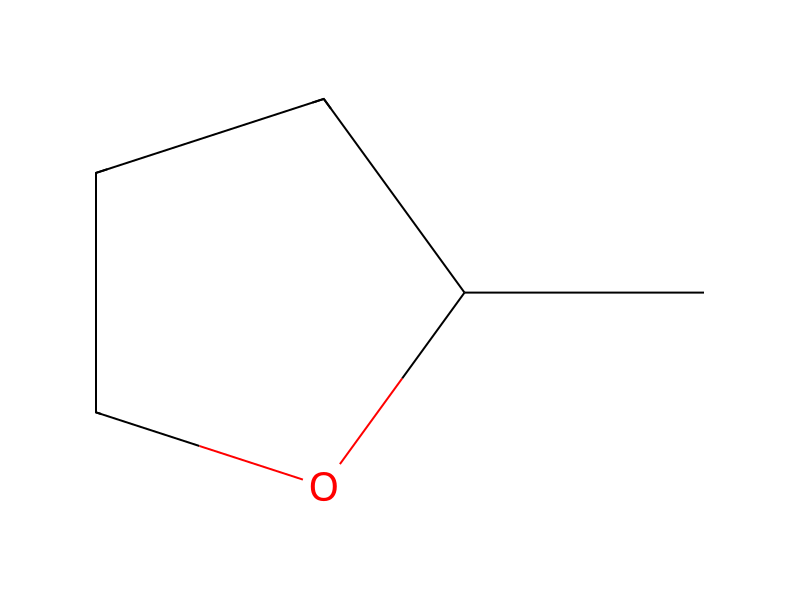
Reagents, catalysts & solvents 1
Conditions
- Temperature
- 35 °C
Procedure
2-Methyltetrahydrofuran (135 mL) is cooled to −5 to 0° C. under nitrogen and lithium borohydride (4.95 g, 0.23 mol) is added in portions, maintaining the temperature below 10° C. A solution of methyl 2-[5-(2,4-difluorophenyl)-4-[2-[[(1S)-3-methoxy-1-methyl-propyl]amino]oxazolo[5,4-b]pyridin-5-yl]-1H-imidazol-2-yl]-2-methyl-propanoate (45.0 g, 0.09 mol) in 2-methyltetrahydrofuran (225 mL) is added drop-wise at −5 to 0° C. and stirred for 12-14 h. 2 M Aqueous hydrochloric acid (203 mL) is added dropwise at −5 to 0° C. and the reaction mixture is heated to 30-40° C. with stirring for 1-2 h. The reaction mixture is cooled to 15-25° C. and the layers are separated. The organic phase is extracted with a mixture of water (135 mL) and 2 M aqueous hydrochloric acid (45 mL), and the organic phase is discarded. The aqueous layers are combined and 25% aqueous sodium hydroxide (75 mL) is added dropwise to adjust to pH=8-9. The aqueous is extracted with dichloromethane (225 mL) at RT and the layers separated. The organic portion is washed with water (2×180 mL) and then concentrated under reduced pressure below 40° C. Methyl tert-butyl ether (231 mL) is added and the solution is concentrated under reduced pressure below 40° C., twice. Ethyl acetate (101 mL) is added and the mixture is heated to 50-60° C. with stirring for 1-2 h. The solution is cooled to 0-5° C. with stirring for 2-4 h. The solids are filtered and the filtercake is washed with heptane (66 mL). The solids are transferred to a reaction vessel, ethyl acetate (181 mL) is added and then the mixture is heated to 70-75° C. with stirring for 0.5-1 h. The mixture is cooled to 50-60° C. and heptane (157 mL) is added dropwise and stirred for 2-4 h. The mixture is then cooled to 10-15° C. with stirring for 2-4 h. The solids are filtered and the filtercake is washed with heptane (66 mL). The solids are transferred to a reaction vessel and ethyl acetate (406 mL) is added. The mixture is heated to 60-75° C. with stirring for 0.5-1 h. It is then cooled to 40-45° C. and is concentrate under reduced pressure below 45° C. to arrive at a solution of approximately 200 mL total volume. The mixture is heated to 70-75° C. with stirring for 0.5-1 h, and then cooled back down to 50-60° C. Heptane (268 mL) is added followed by seed crystals (2.25 g). (Seed crystals can be generated from the solids obtained from previous lots of the product of Example 1, or can be obtained using other methods common to one skilled in the art, such as recrystallization of a small aliquot.) The mixture stirred at 50-60° C. for 2-4 h. The mixture is cooled to 10-15° C. and stirred for 2-4 h. The solids are collected by filtration and the filtercake is washed with a mixture of ethyl acetate (18 mL) and heptanes (16 mL). The cake is dried under reduced pressure below 65° C. to obtain the title compound as an off-white solid (27.5 g, 63%). HPLC Method: Column. ChiralPak® AD-H, 5 μm, 4.6×250 mm; Elution mode: Isocratic; Mobile phase: Hexane/isopropanol/diethylamine (92:8:0.1); Flow rate: 1.0 mL/min; UV detection: 337 nm. TR=22.6 min, 100% ee.
Workup
- temperaturemaintaining the temperature below 10° C
- stirringwith stirring for 1-2 h
- temperatureThe reaction mixture is cooled to 15-25° C.
- customthe layers are separated
- extractionThe organic phase is extracted with a mixture of water (135 mL) and 2 M aqueous hydrochloric acid (45 mL)
- addition25% aqueous sodium hydroxide (75 mL) is added dropwise
- extractionThe aqueous is extracted with dichloromethane (225 mL) at RT
- customthe layers separated
- washThe organic portion is washed with water (2×180 mL)
- concentrationconcentrated under reduced pressure below 40° C
- additionMethyl tert-butyl ether (231 mL) is added
- concentrationthe solution is concentrated under reduced pressure below 40° C.
- additionEthyl acetate (101 mL) is added
- temperaturethe mixture is heated to 50-60° C.
- stirringwith stirring for 1-2 h
- temperatureThe solution is cooled to 0-5° C.
- stirringwith stirring for 2-4 h
- filtrationThe solids are filtered
- washthe filtercake is washed with heptane (66 mL)
- customThe solids are transferred to a reaction vessel
- additionethyl acetate (181 mL) is added
- temperaturethe mixture is heated to 70-75° C.
- stirringwith stirring for 0.5-1 h
- temperatureThe mixture is cooled to 50-60° C.
- additionheptane (157 mL) is added dropwise
- stirringstirred for 2-4 h
- temperatureThe mixture is then cooled to 10-15° C.
- stirringwith stirring for 2-4 h
- filtrationThe solids are filtered
- washthe filtercake is washed with heptane (66 mL)
- customThe solids are transferred to a reaction vessel
- additionethyl acetate (406 mL) is added
- temperatureThe mixture is heated to 60-75° C.
- stirringwith stirring for 0.5-1 h
- temperatureIt is then cooled to 40-45° C.
- concentrationis concentrate under reduced pressure below 45° C.
- temperatureThe mixture is heated to 70-75° C.
- stirringwith stirring for 0.5-1 h
- temperaturecooled back down to 50-60° C
- additionHeptane (268 mL) is added
Sources & evidence
- ORD record
- ord-9024b64b68344547949023e458125108
- Source dataset
- uspto-grants-2012_10
- Patent number
- US08288548B2
Reaction notes
Loading…