1-Bromo-3-chloropropane → 1-Acetyl-4-(3-chloropropoxy)piperazine
Reaction equation

[C:1]([N:4]1[CH2:9][CH2:8][NH:7][CH2:6][CH2:5]1)(=[O:3])[CH3:2].Br[CH2:11][CH2:12][CH2:13][Cl:14].C(=O)([O-])[O-:16].[K+].[K+]>C(#N)C>[C:1]([N:4]1[CH2:9][CH2:8][N:7]([O:16][CH2:11][CH2:12][CH2:13][Cl:14])[CH2:6][CH2:5]1)(=[O:3])[CH3:2]Participants
5
Reactant 3


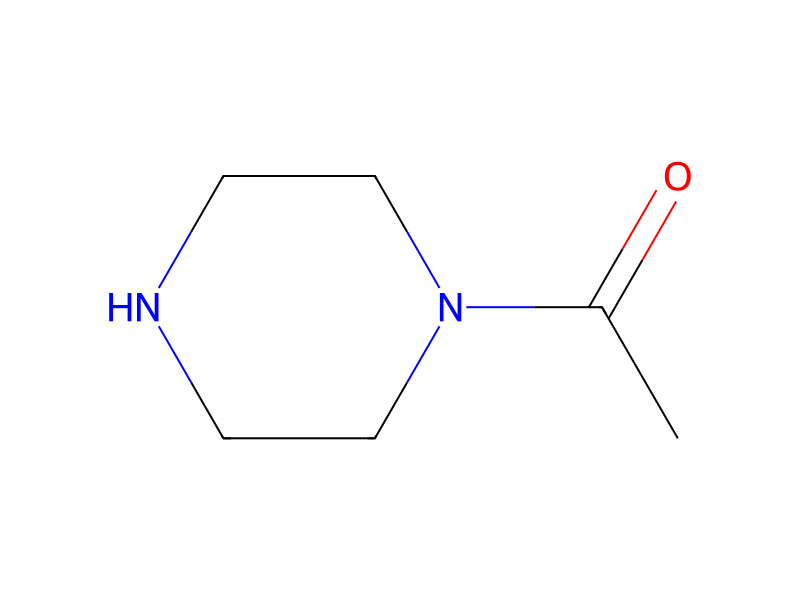
Product 1

Reagents, catalysts & solvents 1

Procedure
A mixture of 1-acetylpiperazine (1.0 g, 7.8 mmol), 1-bromo-3-chloropropane (772 μl, 7.8 mmol) and potassium carbonate (2.7 g, 19.5 mmol) in acetonitrile (150 ml) was heated at reflux for 2 hours. The mixture was cooled, filtered and concentrated under reduced pressure. The residue was purified by column chromatography eluting with methylene chloride/methanol (98/2) to give 1-acetyl-4-(3-chloropropoxy)piperazine (656 mg, 41%) as a colourless oil.
Workup
- temperaturewas heated
- temperatureat reflux for 2 hours
- temperatureThe mixture was cooled
- filtrationfiltered
- concentrationconcentrated under reduced pressure
- customThe residue was purified by column chromatography
- washeluting with methylene chloride/methanol (98/2)
Sources & evidence
- ORD record
- ord-80e9c91339b548b187d38e8aaed26729
- Source dataset
- uspto-grants-2012_10
- Patent number
- US08293902B2
Reaction notes
Loading…