Pyridine → HCID 59569855, compound
Reaction equation

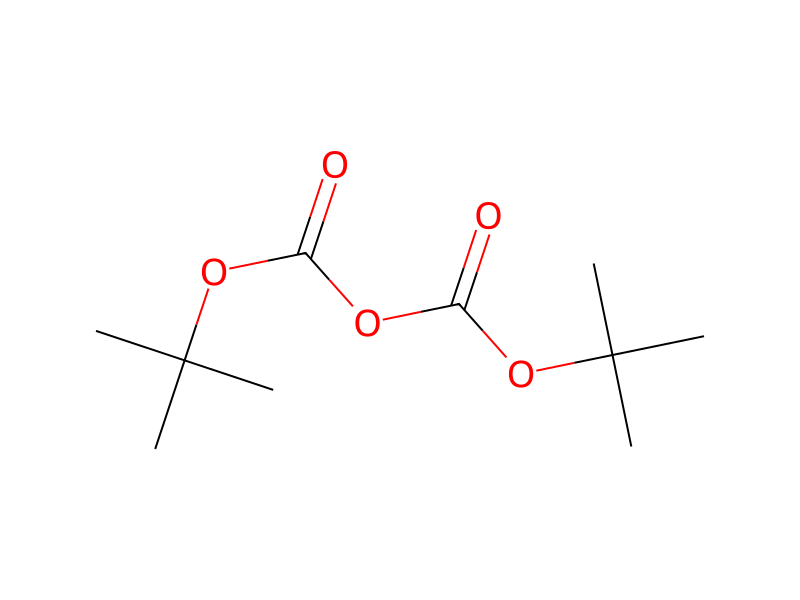
[CH2:1]([O:3][C:4]([C:6]1[CH:7]=[C:8]([CH:12]=[C:13]([C:15]([O:17][CH2:18][CH3:19])=[O:16])[CH:14]=1)[C:9](O)=[O:10])=[O:5])[CH3:2].[N:20]1C=CC=CC=1.CC(OC(OC(OC(C)(C)C)=O)=O)(C)C.CCOC(C)=O>O1CCOCC1>[C:9]([C:8]1[CH:12]=[C:13]([C:15]([O:17][CH2:18][CH3:19])=[O:16])[CH:14]=[C:6]([CH:7]=1)[C:4]([O:3][CH2:1][CH3:2])=[O:5])(=[O:10])[NH2:20]Participants
6
Reactant 4



Product 1

Reagents, catalysts & solvents 1

Procedure
NH4HCO3 (0.15 g, 1.89 mmol, 1.26 eq) was added to a stirred solution of 3,5-bis(ethoxycarbonyl)benzoic acid (0.42 g, 1.5 mmol, 1 eq), pyridine (0.24 mL, 0.237 g, 3.0 mmol, 2 eq), and (Boc)2O (0.45 mL, 0.43 g, 1.95 mmol, 1.3 eq) in 2 mL anh. dioxane under Ar. The reaction was stirred over the weekend to form a white solid. EtOAc was added, but the solid did not dissolve. The mixture was washed with 0.1 N HCl (×2) and water (×4). The solid stayed suspended in the organic layer, but did dissolve. The solvent was removed in vacuo yielding 0.369 g (1.39 mmol, 93% yield) of diethyl 5-carbamoylisophthalate as an insoluble white solid.
Workup
- customto form a white solid
- dissolutionthe solid did not dissolve
- washThe mixture was washed with 0.1 N HCl (×2) and water (×4)
- dissolutiondid dissolve
- customThe solvent was removed in vacuo
Sources & evidence
- ORD record
- ord-dab2b5a5494e45abab248a2520dd47e7
- Source dataset
- uspto-grants-2012_10
- Patent number
- US08299267B2
Reaction notes
Loading…