Sodium Sulfide → Sodium thioarsenate
Reaction equation

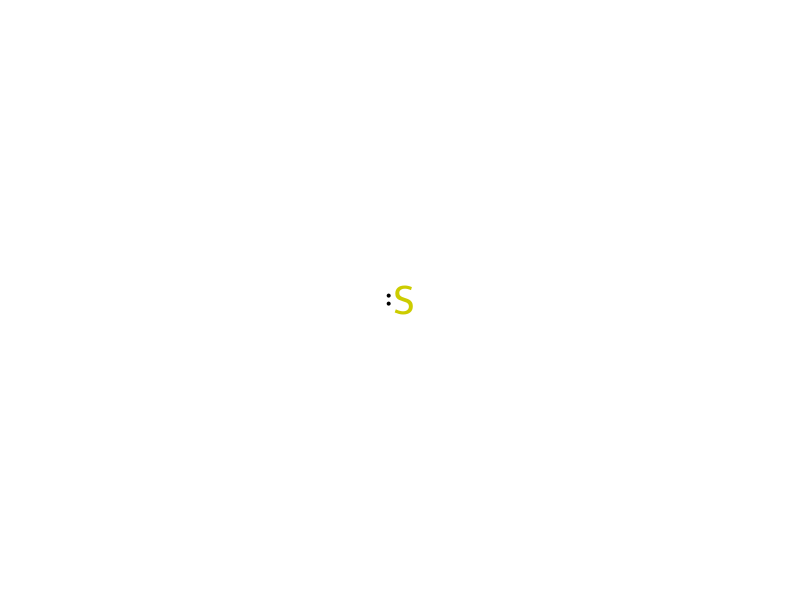
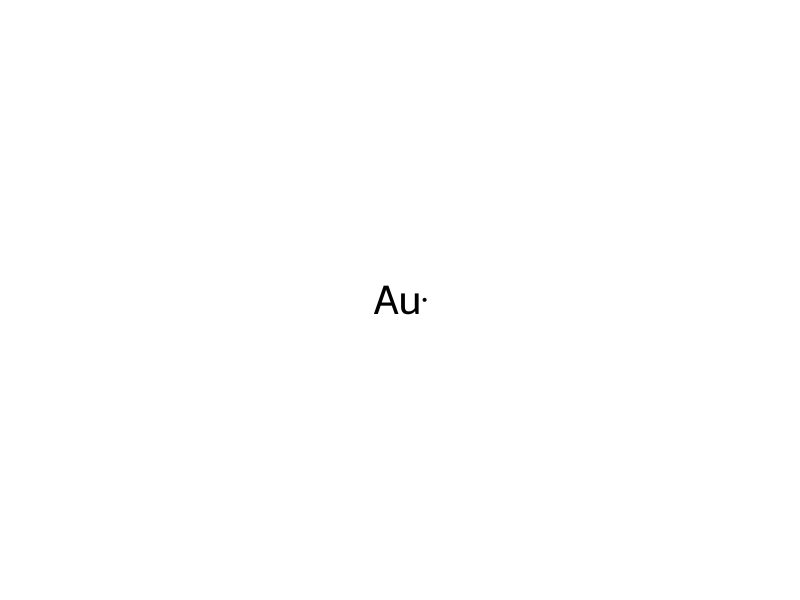
[S-2].[Na+:2].[Na+].[Sb:4]([O-:7])([O-:6])[S-:5].[Na+].[Na+].[Na+].[As:11]([O-:14])([O-:13])[S-:12].[Na+].[Na+].[Na+].[S]>[Hg].[Au]>[Sb:4](=[S:5])([O-:13])([O-:7])[O-:6].[Na+:2].[Na+:2].[Na+:2].[As:11](=[S:12])([O-:6])([O-:14])[O-:13].[Na+:2].[Na+:2].[Na+:2]Participants



Procedure
The products in solution as a result of the sodium sulfide leach reaction include sodium thioantimonite and sodium thioarsenite, along with some mercury and gold. This solution is contacted with elemental sulfur at a temperature of about 80° C in order to produce sodium thioantimonate and sodium thioarsenate. The temperature of the solution is reduced to about 18° C, resulting in the crystallization of about 4.23 pounds per minute antimony and 1.52 pounds per minute arsenic, and trace amounts of gold and mercury. The remaining solution is then recycled to the sodium sulfide leach stage, and the crystals are redissolved using approximately 5% of the recycle solution as a bleed stream and the antimony sulfide wash solution produced later in the process.
Sources & evidence
- ORD record
- ord-aaa22da97df348e8be99d461273ed575
- Source dataset
- uspto-grants-1977_09
- Patent number
- US04051220
Reaction notes
Loading…